When buyers search for the China Best Monoaxial Reduction Screws Supplier, they need more than a low quotation. They need consistent quality, technical support, and dependable delivery. Monoaxial Reduction Screws are precision devices used in demanding spinal fixation applications. Their performance depends on thread accuracy, material strength, and connection stability. Small differences matter.
A reliable Chinese supplier should explain its manufacturing process clearly. It should provide traceable material records, inspection reports, and practical product specifications. Buyers should ask how threads, heads, and driving interfaces are checked. Surface finish also deserves attention, especially around threaded areas. These details reveal whether quality control is routine or merely promised. Factory experience helps. However, certificates alone cannot prove every production batch is consistent. A polished file is not enough. Sample evaluation remains valuable. Check packaging, labeling, dimensional accuracy, and communication speed before making a larger decision.
This guide compares supplier capabilities through a practical, evidence-based lens. It considers engineering support, production capacity, inspection procedures, customization, and after-sales communication. It also discusses how suppliers address applicable quality and regulatory expectations in different markets. That balanced view is important because no supplier is perfect. Communication delays or incomplete sample records can still occur. The strongest partner will acknowledge risks, support traceability, and respond with specific evidence. For hospitals, distributors, and medical-device professionals, choosing a Chinese supplier should rely on verified capability rather than attractive marketing language. Experience counts. Repeatable quality matters more.
Monoaxial Reduction Screws: Definition, Design, and Clinical Purpose
Monoaxial Reduction Screws: Definition, Design, and Clinical Purpose
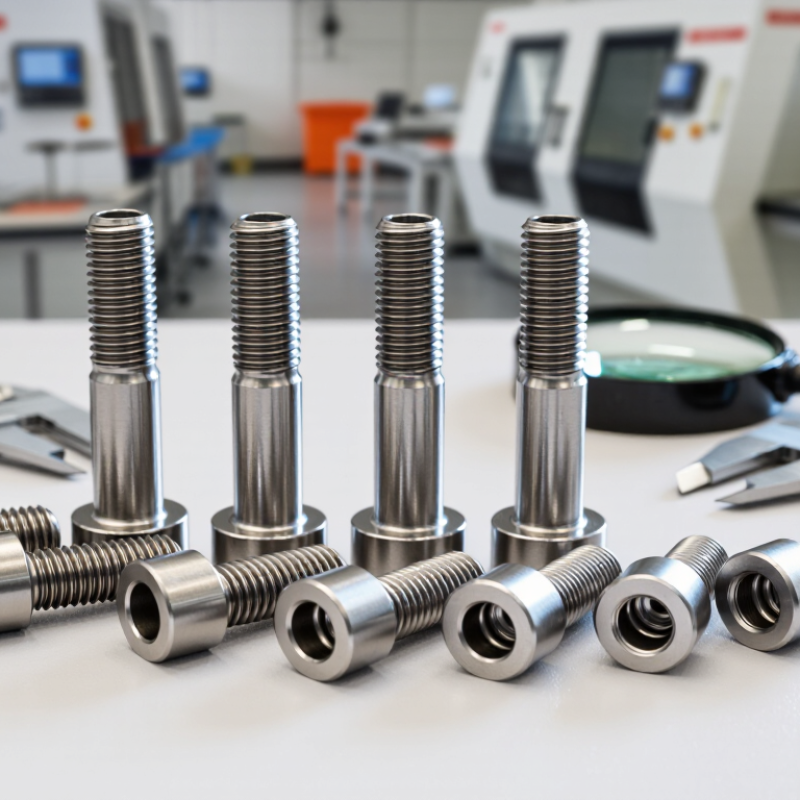
Monoaxial reduction screws are spinal fixation devices with a fixed screw head. Unlike polyaxial designs, their heads do not swivel freely. This structure helps guide rods toward a planned alignment during spinal correction. The screw typically includes a threaded shaft, a tulip-shaped head, and a locking mechanism. Its reduction feature can draw a rod into the screw head gradually. Surgeons may use this action to support deformity correction, vertebral alignment, or controlled stabilization. The exact purpose depends on anatomy, surgical technique, and the patient’s condition.
Design quality matters beyond appearance. Thread geometry should support secure bone purchase without unnecessary insertion resistance. The head must accept the intended rod size consistently. Locking components should provide reliable engagement under clinical loading. In practice, surgeons also assess reduction distance, instrumentation feel, imaging visibility, and compatibility with the complete system. “Best” is not absolute. A polished catalog cannot replace mechanical testing, sterilization validation, traceability, and qualified clinical judgment. Some product details may look minor, yet they can affect handling during a demanding procedure.
Tips: Ask suppliers for material certificates, fatigue-test data, dimensional drawings, and lot traceability. Confirm compatibility before evaluation. Review clinical evidence carefully, because laboratory performance does not prove every clinical outcome. Supplier communication also deserves attention. Clear answers are useful. Vague claims need reflection.
Monoaxial Reduction Screws: Definition, Design, and Clinical Purpose
Monoaxial reduction screws use a fixed-angle head to maintain a stable screw–rod relationship while reducing the rod toward the vertebral anchors. The representative diameter ranges below reflect commonly used spinal fixation sizes by anatomical region; final selection depends on patient anatomy, bone quality, imaging, and the implant system’s approved specifications.
Clinical note: Smaller diameters are generally used in the cervical and upper thoracic spine, while larger diameters are more common in the thoracolumbar and sacropelvic regions. Monoaxial designs can provide strong control during deformity correction and rod reduction, but they require accurate trajectory planning because the fixed head offers limited angular flexibility.
Key Features of a Reliable Monoaxial Reduction Screw Supplier
A dependable China-based monoaxial reduction screw supplier should prove more than manufacturing capacity. The supplier must show clear material certificates, dimensional records, and controlled production procedures. For spinal systems, thread geometry, tulip strength, reduction limits, and driver fit require careful verification. Small mismatches can delay surgery. Request samples from different batches. Inspect thread smoothness, surface finish, markings, and instrument engagement under practical conditions.
A reliable supplier also supports documented quality management, typically aligned with applicable medical-device requirements. Ask for traceability from raw material to finished package. Packaging records should identify lot numbers, inspection status, and storage conditions. Independent test reports can clarify mechanical performance, but reports need methods and acceptance criteria. Vague claims are not enough. A supplier should explain design changes before shipments. It should also provide technical files, instructions for use, and responsive complaint handling.
Price and delivery matter, but predictable communication matters more during real procurement. Evaluate lead times, minimum order quantities, replacement policies, and engineering support. Ask how rejected components are isolated. Ask who approves corrective actions. These questions reveal operational maturity. Still, no supplier is flawless. Even a careful evaluation can miss a packaging weakness or unclear instrument instruction. Staged sampling, written specifications, and periodic review remain practical safeguards. The strongest partner welcomes difficult questions and supports evidence-based decisions, not pressure.
Applications, Compatibility, and Purchasing Considerations
China Best Monoaxial Reduction Screws Supplier?
Monoaxial reduction screws support controlled vertebral alignment during posterior spinal fixation. They are commonly considered for deformity correction, selected fractures, and unstable segments. The Global Burden of Disease Study 2021 estimated that low back pain affected about 619 million people in 2020. Demand is significant, but product selection must remain clinical, not purely commercial.
Compatibility requires close checking. Confirm the screw’s rod diameter, thread profile, tulip dimensions, and reduction range. The implant should match the intended rod system without forcing the connection. Titanium alloy composition, fatigue testing, pullout strength, and sterilization status deserve documented evidence. ASTM F543 provides test methods for metallic bone screws, while ISO 13485 supports quality-management evaluation. Ask for current certificates and lot traceability.
Purchasing teams should review surgical feedback, not only catalog prices. A supplier should provide drawings, inspection records, packaging details, and change-control procedures. Sample units can reveal rough threads, unclear markings, or difficult cap engagement. Small defects matter. The World Health Organization reported that low back pain may reach 843 million cases globally by 2050, increasing pressure for dependable spinal-care products. However, market forecasts can be optimistic, and supplier claims need independent verification. Surgeons must confirm anatomical suitability and technique before use.
Conclusion
Monoaxial Reduction Screws are spinal fixation devices designed to provide controlled reduction and stabilization while maintaining a fixed screw-head alignment. Their design supports efficient rod placement, correction of spinal alignment, and secure fixation in appropriate surgical applications. A dependable supplier should offer consistent dimensions, reliable thread performance, smooth surface finishing, and clear technical documentation to support safe and efficient use.
When evaluating Monoaxial Reduction Screws suppliers, buyers should review material selection, manufacturing controls, inspection procedures, sterilization options, and compliance with applicable medical-device requirements. Traceability, batch consistency, quality certifications, and responsive technical support are also important considerations. Compatibility with rods, instruments, and related fixation systems should be confirmed before purchasing. Hospitals and distributors should additionally assess production capacity, delivery reliability, packaging integrity, customization capabilities, and after-sales service. A structured comparison of product quality, clinical suitability, documentation, and total purchasing value can help identify a supplier capable of supporting long-term orthopedic and spinal fixation needs.