Orthopedic & Spine Surgery Insights — GPC Medical USA Blog
Knowledge Hub · GPC Medical USA

Orthopedic & Spine Surgery Insights

Explore technical guides, surgical updates, and medical implant developments from industry experts.

Spine System Innovations — GPC Medical USA
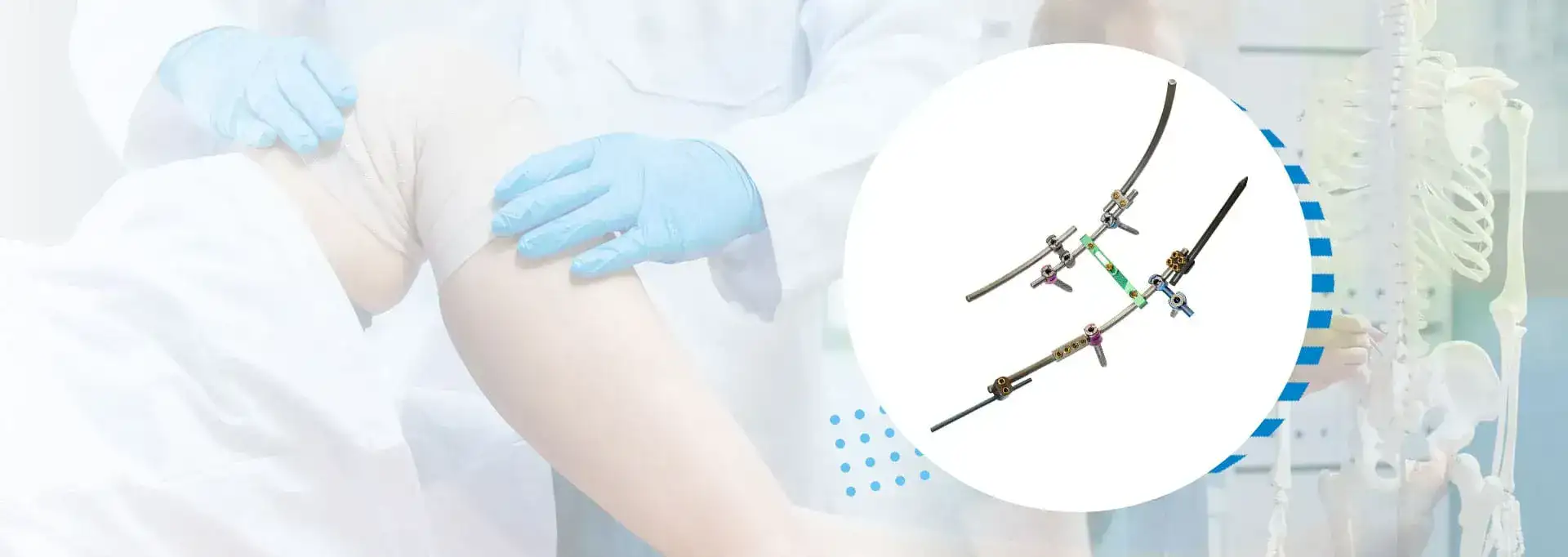
Spine Implants & Tech
Advancements in Spine Fixation

In-depth analysis of pedicle screw design, spinal fusion techniques, and clinical outcome optimization.

Trauma Implant Articles — GPC Medical USA
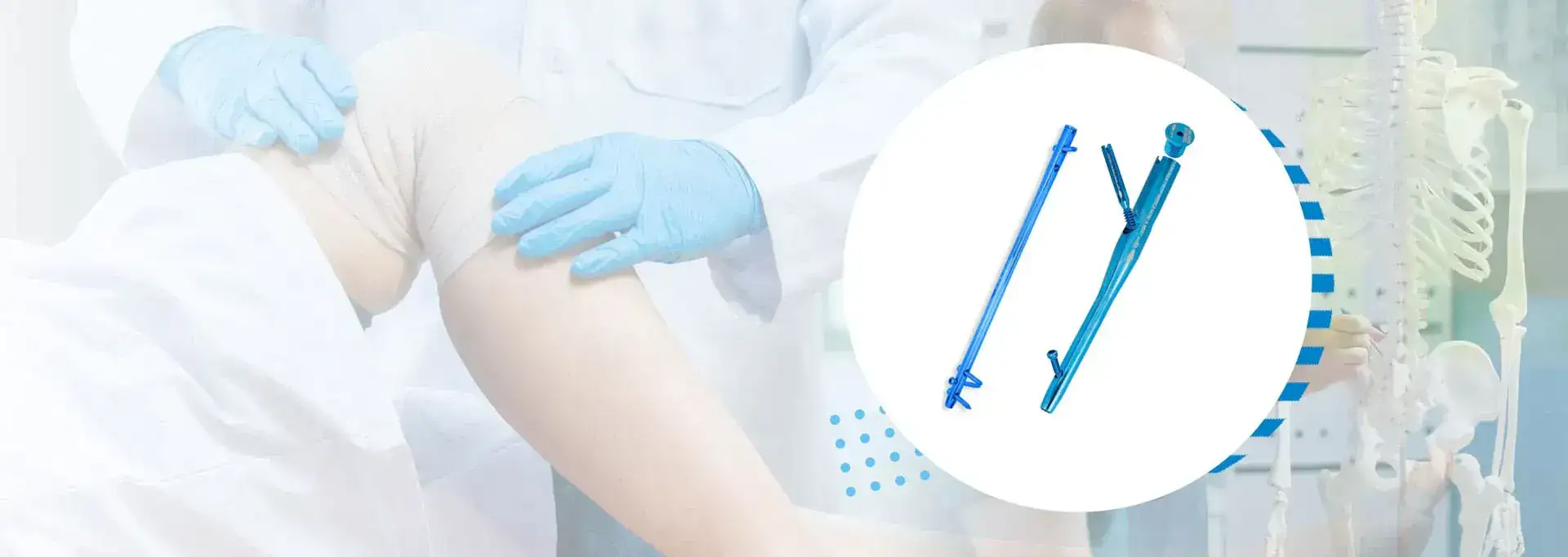
Trauma Innovations
Trauma Surgery Trends

Latest updates on intramedullary nailing systems, locking plates, and fracture management protocols.

Orthopedic & Spine Surgery Insights

Discover expert articles, clinical technical guides, and medical device updates from GPC Medical USA.

Get Catalog

Blog

Top Spine Surgery Instrument Set Suppliers Worldwide

Top Spine Surgery Instrument Set Suppliers Worldwide

Spine procedures rely on instruments that must feel dependable in demanding operating-room conditions. A Spine Surgery Instrument Set may include access tools, rongeurs, curettes, retractors, and instruments for implant placement. Its exact contents vary by procedure and surgical approach. Precision matters. So does fit. A well-designed instrument should offer controlled handling, durable construction, and compatibility with established cleaning and sterilization processes. Small details count. Grip texture, joint movement, and instrument balance can shape how a tool performs during repeated use. These qualities cannot be judged from a product image alone. Product specifications, demonstrations, and feedback from qualified clinical users provide a more grounded view. This overview examines leading Spine Surgery Instrument Set suppliers worldwide and the factors that can distinguish one from another. It considers product range, manufacturing capabilities, quality documentation, customization, service, and access to replacement instruments. Buyers should also verify that relevant products meet applicable requirements in their markets. Ask how suppliers support traceability, maintenance, and staff training. Supplier claims deserve careful review. Clear documentation matters more than broad promises. No comparison is perfect. Supplier capabilities can change, and a strong portfolio does not guarantee the right fit for every hospital or surgical team. That is worth remembering. The aim is not to name one universal winner, but to offer a practical starting point for informed evaluation. Clinical needs, local procurement criteria, and hands-on assessment should guide the final choice.
Read more »
Amara By:Amara - October 30, 2026
China Top 10 Spinal Cross Connector Suppliers?

China Top 10 Spinal Cross Connector Suppliers?

China has become an important manufacturing base for spinal implant components, including Spinal Cross Connectors. This guide introduces ten Chinese suppliers associated with these specialized devices and related spinal fixation systems. It focuses on evidence, not impressive claims alone. The review considers product range, material control, machining capability, quality systems, and documented experience. It also examines whether suppliers provide drawings, technical specifications, traceability records, and responsive communication. These details matter when a connector must align accurately across bilateral rods during spinal fixation procedures. Small inconsistencies can affect assembly efficiency, surgical planning, and long-term confidence. Regulatory readiness is another key consideration. Reliable suppliers should explain their quality management practices and identify applicable market requirements clearly. Certifications can support credibility, but they do not replace independent verification. Buyers should request current documents, sample evaluations, audit information, and realistic production timelines before making a decision. No ranking is flawless. Supplier information may change, and public materials can present only part of a company’s capabilities. Some manufacturers may show strong machining skills but limited international support. Others may communicate well while offering less transparent technical evidence. That difference deserves attention. This overview is intended for importers, distributors, medical device professionals, and engineering teams comparing potential partners in China. It does not replace regulatory, clinical, or legal review. Careful due diligence remains essential.
Read more »
Sophie By:Sophie - October 25, 2026
China Top Spinal Titanium Rods Manufacturers Suppliers?

China Top Spinal Titanium Rods Manufacturers Suppliers?

When hospitals and orthopedic distributors search for China’s leading Spinal Titanium Rods manufacturers and suppliers, price is only one part of the decision. These implants must support demanding surgical procedures, consistent fit, and documented quality. A reliable supplier should explain alloy selection, rod diameters, contouring options, surface finish, and packaging controls. Small details matter. A rough thread, unclear marking, or weak carton can create avoidable concerns during clinical handling. This introduction presents a practical way to assess Chinese companies without relying on promotional claims alone. The review should consider manufacturing experience, engineering capability, and quality-system evidence. Look for ISO 13485 certification, relevant product registrations, material certificates, batch traceability, and inspection records. Ask how suppliers control dimensional tolerances, cleanliness, corrosion resistance, and sterilization compatibility when applicable. Samples can reveal machining consistency, while factory audits may clarify process discipline. However, documents should be verified with recognized certification bodies and local regulatory requirements. A confident sales reply is useful, but it is not independent proof. This guide will compare supplier profiles, production strengths, customization support, export experience, and communication practices. It will also examine lead times, minimum order policies, technical drawings, and after-sales response. No supplier is perfect. Even experienced manufacturers may have gaps in transparency or documentation. Buyers should question unclear claims and request current evidence before approval. The strongest partnership combines clinical responsibility, measurable specifications, and realistic commercial terms. China offers broad manufacturing capacity, yet careful evaluation remains essential for patient safety and long-term reliability.
Read more »
Amara By:Amara - October 15, 2026
What Are Pedicle Screw Caps and How Do They Work?

What Are Pedicle Screw Caps and How Do They Work?

Pedicle Screw Caps are small but essential components in many spinal fixation systems. They secure a longitudinal rod inside a pedicle screw head. This connection helps stabilize selected spinal segments during healing or correction. Despite their size, their design influences construct strength, surgical handling, and compatibility. A typical cap works with a threaded screw head and a spinal rod. The surgeon positions the rod, places the cap, and advances it into the screw head. Controlled tightening applies force that locks the rod in place. Torque matters. Too little tightening may allow movement, while excessive force can damage threads or components. Specialized instruments and manufacturer-specified settings help reduce these risks. The mechanism sounds simple. It is not always simple. Different systems use different thread profiles, cap shapes, and locking methods. Some caps include self-tapping features or safeguards against cross-threading. Their performance also depends on bone quality, rod contour, implant alignment, and surgical technique. Clinical decisions belong to qualified spine professionals, supported by imaging and the device’s instructions for use. Evidence and product specifications should guide explanations, rather than marketing claims. This guide will examine how Pedicle Screw Caps fit into a spinal construct, how locking forces are applied, and why accurate placement matters. It will also address common misunderstandings, including the belief that the cap alone provides stability. In practice, the cap is one part of a carefully planned system. Small details can matter. However, device behavior varies, and no general explanation replaces patient-specific medical advice.
Read more »
Amara By:Amara - October 10, 2026
China Best Monoaxial Reduction Screws Supplier?

China Best Monoaxial Reduction Screws Supplier?

When buyers search for the China Best Monoaxial Reduction Screws Supplier, they need more than a low quotation. They need consistent quality, technical support, and dependable delivery. Monoaxial Reduction Screws are precision devices used in demanding spinal fixation applications. Their performance depends on thread accuracy, material strength, and connection stability. Small differences matter. A reliable Chinese supplier should explain its manufacturing process clearly. It should provide traceable material records, inspection reports, and practical product specifications. Buyers should ask how threads, heads, and driving interfaces are checked. Surface finish also deserves attention, especially around threaded areas. These details reveal whether quality control is routine or merely promised. Factory experience helps. However, certificates alone cannot prove every production batch is consistent. A polished file is not enough. Sample evaluation remains valuable. Check packaging, labeling, dimensional accuracy, and communication speed before making a larger decision. This guide compares supplier capabilities through a practical, evidence-based lens. It considers engineering support, production capacity, inspection procedures, customization, and after-sales communication. It also discusses how suppliers address applicable quality and regulatory expectations in different markets. That balanced view is important because no supplier is perfect. Communication delays or incomplete sample records can still occur. The strongest partner will acknowledge risks, support traceability, and respond with specific evidence. For hospitals, distributors, and medical-device professionals, choosing a Chinese supplier should rely on verified capability rather than attractive marketing language. Experience counts. Repeatable quality matters more.
Read more »
Liam By:Liam - October 5, 2026
Top 10 Polyaxial Reduction Screws Manufacturers?

Top 10 Polyaxial Reduction Screws Manufacturers?

Choosing the Top 10 Polyaxial Reduction Screws Manufacturers requires more than comparing product catalogs. These implants must support controlled correction, secure fixation, and reliable handling during demanding spinal procedures. Small design details matter. Thread geometry, tulip strength, reduction travel, and instrument feedback can influence surgical confidence. Dr. Lawrence G. Lenke, a respected spinal deformity surgeon, has expressed this guiding principle: “A successful construct must correct deformity while respecting biology and neural safety.” That perspective keeps the discussion clinically grounded. A manufacturer may offer advanced screws, but surgeons still need consistent tolerances, documented testing, and dependable technical support. Packaging quality matters too. So does the feel of the reducer in a gloved hand. This overview examines ten notable manufacturers through practical and evidence-based criteria. These include engineering capability, material selection, manufacturing consistency, regulatory compliance, clinical adoption, and surgeon experience. It also considers whether companies provide clear instructions and responsive education. Not every brand fits every case. That is the uncomfortable part. Performance claims should not replace independent evaluation. Product availability also changes across regions. Some manufacturers publish extensive data, while others provide less detail. This comparison therefore aims to inform, not prescribe. Hospitals and surgeons should verify current approvals, product indications, and safety information before making decisions. Polyaxial Reduction Screws are specialized devices. Their value depends on design, execution, and patient-specific judgment. No ranking is perfect. Clinical reality varies.
Read more »
Sophie By:Sophie - September 30, 2026
How to Choose Polyaxial Pedicle Screws in 2026?

How to Choose Polyaxial Pedicle Screws in 2026?

Choosing Polyaxial Pedicle Screws in 2026 is not a catalog exercise. The right choice depends on the patient’s anatomy, the surgical plan, and how the implant system performs during placement. At the operating table, small details matter: screw-head angulation, tulip clearance, rod engagement, and the feel of the locking mechanism. A feature that looks convenient on a product sheet may be less useful when access is limited or the rod must follow a difficult path. Spine surgeon Dr. Alexander R. Vaccaro is a recognized authority in spinal trauma and instrumentation. I could not verify a direct quotation from him about polyaxial screws, so I will not present invented words as his. A reliable guiding principle is to assess each component against the patient’s needs and the full construct—not marketing claims alone. That distinction matters. Polyaxial head mobility can help with rod alignment, but it does not by itself establish clinical suitability, strength, or long-term outcome. This guide examines the practical selection points: anatomy and indication, screw dimensions, head design, material and compatibility, placement workflow, and available clinical evidence. It also identifies questions to raise with the surgical team and manufacturer, including how the system handles locking and whether its components are designed to work together. No checklist replaces clinical judgment. The best choice is the one supported by the patient’s anatomy, the surgeon’s experience, and clear, verifiable product information.
Read more »
Liam By:Liam - September 25, 2026
2026 Best Monoaxial Pedicle Screws Buying Guide

2026 Best Monoaxial Pedicle Screws Buying Guide

Choosing the right Monoaxial Pedicle Screws requires more than comparing prices, materials, or catalog photographs. A reliable buying decision connects implant design with anatomy, fixation goals, surgical technique, and long-term patient safety. In the operating room, small details matter: thread geometry, tulip strength, driver compatibility, screw diameter, and the consistency of the locking mechanism. Dr. Lawrence G. Lenke, a respected spinal deformity surgeon, has said, “Every patient and every deformity is different.” This principle should guide every purchasing decision. Monoaxial Pedicle Screws may offer strong directional control and predictable rod alignment, but they are not automatically suitable for every spinal level or clinical situation. Their performance depends on accurate placement, bone quality, construct planning, and appropriate instrumentation. This 2026 buying guide examines the features that deserve closer attention. It considers alloy quality, surface finish, size availability, pullout resistance, and system compatibility. It also reviews manufacturer documentation, sterilization information, traceability, and clinical support. These points can feel less exciting than product claims. They are often more important. A screw that looks robust may still create problems if its driver interface is poorly matched. A low-cost system may become expensive after missing instruments or limited technical support are added. Buyers should also question unclear test data and broad performance promises. No purchasing guide can replace a qualified surgeon’s judgment, institutional protocols, or applicable regulatory requirements. Some recommendations may need revision as new evidence emerges. That is not a weakness. It is part of responsible medical decision-making.
Read more »
Liam By:Liam - September 20, 2026