Explore technical guides, surgical updates, and medical implant developments from industry experts.
In-depth analysis of pedicle screw design, spinal fusion techniques, and clinical outcome optimization.
Latest updates on intramedullary nailing systems, locking plates, and fracture management protocols.
Discover expert articles, clinical technical guides, and medical device updates from GPC Medical USA.
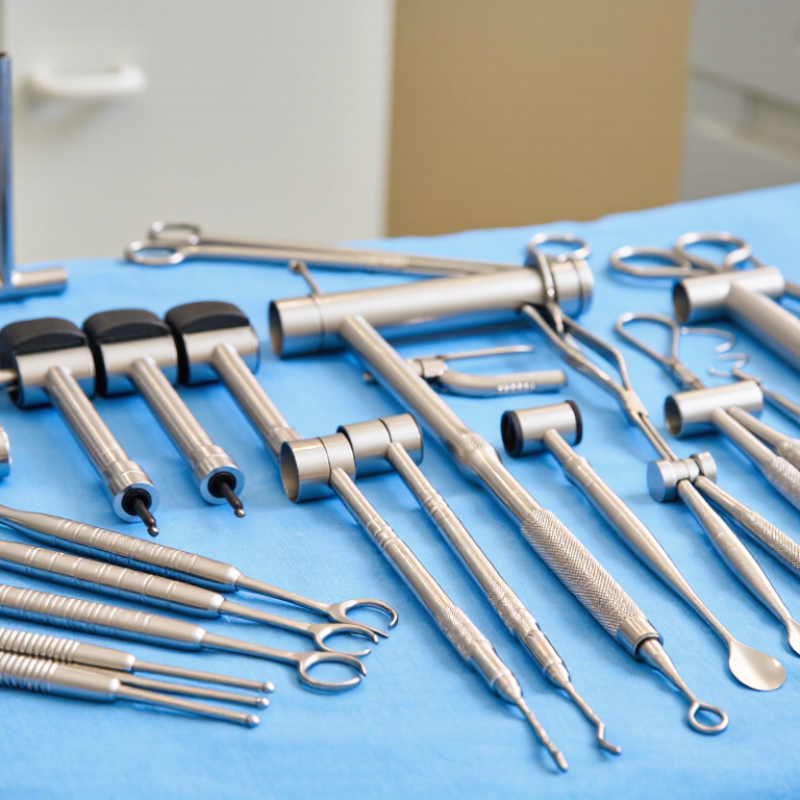
Spine procedures rely on instruments that must feel dependable in demanding operating-room conditions. A Spine Surgery Instrument Set may include access tools, rongeurs, curettes, retractors, and instruments for implant placement. Its exact contents vary by procedure and surgical approach. Precision matters. So does fit.
A well-designed instrument should offer controlled handling, durable construction, and compatibility with established cleaning and sterilization processes. Small details count. Grip texture, joint movement, and instrument balance can shape how a tool performs during repeated use. These qualities cannot be judged from a product image alone. Product specifications, demonstrations, and feedback from qualified clinical users provide a more grounded view.
This overview examines leading Spine Surgery Instrument Set suppliers worldwide and the factors that can distinguish one from another. It considers product range, manufacturing capabilities, quality documentation, customization, service, and access to replacement instruments. Buyers should also verify that relevant products meet applicable requirements in their markets. Ask how suppliers support traceability, maintenance, and staff training. Supplier claims deserve careful review. Clear documentation matters more than broad promises.
No comparison is perfect. Supplier capabilities can change, and a strong portfolio does not guarantee the right fit for every hospital or surgical team. That is worth remembering. The aim is not to name one universal winner, but to offer a practical starting point for informed evaluation. Clinical needs, local procurement criteria, and hands-on assessment should guide the final choice.
A spine surgery instrument set is a coordinated group of tools for exposure, bone work, implant placement, and closure. Core items may include retractors, curettes, rongeurs, probes, and instrument trays. Specialized sets add tools for cervical, thoracic, or lumbar procedures, or for anterior and posterior approaches. Some include drills and powered handpieces; others are manual. Small details matter. Handle shape, working length, and tip design affect access around delicate anatomy.
Classification usually follows function, spinal region, surgical approach, and reusable or single-use status. WHO’s 2010 Global Initiative report cites an estimated 234 million major operations worldwide each year; this broad figure is not spine-specific, but underscores the need for clear, dependable instrument organization.
FDA device listings also classify surgical instruments by intended use and regulatory category. Set labels should therefore describe actual contents, not just the procedure name. Fit can vary.
Tips: Match shaft length and tip geometry to the planned approach. Check tray maps against the physical instruments, especially after repairs or substitutions. A neat inventory is useful, but it cannot replace inspection of joints, cutting edges, and insulation before use. One missed item can disrupt setup.
Spine surgery instrument sets shape how smoothly common procedures move from exposure to closure. In lumbar decompression, surgeons may use rongeurs, Kerrison punches, curettes, and nerve-root retractors to remove tissue while protecting nearby structures. Discectomy adds instruments for reaching and clearing disc material. Small details matter. A missing size can interrupt the sequence.
For fusion procedures, sets may include pedicle probes, taps, screwdrivers, and rod holders, alongside tools for preparing bone graft. The exact mix varies with the surgical approach and the surgeon’s technique. A 2023 analysis in The Lancet Rheumatology, based on Global Burden of Disease data, estimated that 619 million people had low back pain in 2020; it projected 843 million cases by 2050. That figure is not a count of surgical candidates, but it signals the scale of spinal care needs.
Reliable sets depend on more than completeness. Instruments should be inspected for wear, matched to the planned procedure, and processed according to validated instructions. Clear tray layouts can help teams identify missing tools before incision. Fit is not everything. A well-organized set can still contain an instrument that feels awkward in a particular workflow, so feedback after cases deserves attention. A small gap in the tray plan may matter more than its polished appearance suggests.
Spine surgery instruments rely on materials that balance strength, precision, and repeated sterilization. Surgical stainless steel remains common for forceps, clamps, and rod benders because it resists corrosion and tolerates demanding reprocessing. ASTM F899 defines chemical and mechanical requirements for stainless steels used in surgical instruments. Titanium alloys can make selected tools lighter, but their surfaces need careful finishing to limit wear and handling problems. Small details matter.
Material data also shape instrument design. Kurtz and Devine’s review in Biomaterials (2007) reports a typical PEEK elastic modulus near 3.6 GPa, while titanium alloys are roughly 110 GPa. PEEK is more relevant to implant components and selected instrument parts than cutting edges; it is radiolucent, but not a universal substitute for metal. For implant-grade titanium, ASTM F136 specifies Ti-6Al-4V ELI, including controlled alloy composition and impurity limits. Modern sets may also pair precision-machined tools with navigation-compatible markers or powered drivers that regulate speed and torque. Yet coatings, complex joints, and narrow lumens can complicate cleaning. A lighter instrument is not automatically a better one; grip, balance, and validated reprocessing deserve equal attention.
Spine surgery instrument suppliers generally fall into three groups: specialist instrument makers, integrated device manufacturers, and regional distributors. Specialist firms focus on trays, retractors, and access tools. Integrated suppliers may package instruments with implants, while distributors help hospitals manage local inventory and servicing. Buyers should check sterilization compatibility, repair access, and whether a complete tray fits their procedures. Small details matter: a missing driver can delay setup.
Grand View Research’s spinal implants and surgery devices market report estimated a global market value of USD 14.7 billion in 2023, with projected annual growth of 4.9% from 2024 to 2030. This category is broader than instrument sets alone, so its value should not be treated as a direct measure of instrument sales. The report identifies North America as a major market; established surgical infrastructure and hospital purchasing capacity help explain its weight. Asia-Pacific demand is also gaining attention as healthcare investment and access to spinal procedures expand.
North American buyers often emphasize validated workflows, service support, and predictable replenishment.
In parts of Asia-Pacific, distribution reach and training can matter as much as the catalog.
Europe’s varied procurement systems can make one supplier model difficult to scale.
The comparison is not always clean: public market reports rarely separate reusable instruments from implants or procedure-specific kits. That gap deserves caution. A practical evaluation should compare tray contents, turnaround time, and service coverage—not headline market size alone.
Evaluate spine surgery instrument set suppliers through records and hands-on checks. Request device-specific inspection criteria, material specifications, sterilization instructions, lot traceability, and corrective-action records. Ask staff to inspect a sample set: do ratchets engage smoothly, tips align, and instruments remain identifiable after repeated reprocessing? Small details matter. A polished audit file alone cannot show how quickly a supplier handles a damaged instrument or an urgent replacement request.
Compliance evidence should match the markets and intended use of the instruments. In the United States, the FDA’s Quality Management System Regulation took effect on February 2, 2026, incorporating ISO 13485:2016 by reference. Check current certificates, audit scope, and evidence that changes are controlled—not just a certificate on a webpage. Service matters too: compare repair turnaround, spare-part availability, technical training, and response times against written commitments. The WHO-led 2009 Safe Surgery Saves Lives study, conducted across eight hospitals, reported complications falling from 11% to 7% after checklist introduction; mortality fell from 1.5% to 0.8%. The study did not assess suppliers, but it underscores the value of reliable processes. One limitation remains: a checklist cannot predict every surgeon’s preferred instrument feel. Request clinical feedback, then document what still needs improvement.
| Evaluation Dimension | Weight | What to Verify | Examples of Objective Evidence | Score (0–5) | Weighted Score |
|---|---|---|---|---|---|
| Regulatory Compliance | 20% | Confirm that the instruments and their intended use meet the requirements of each destination market. Check applicable device registration, conformity assessment, labeling, and importer or authorized-representative arrangements. | Current market-specific registrations or declarations; applicable CE/MDR documentation for the EU; applicable U.S. FDA establishment and device records; labeling and instructions for use matched to the supplied products. Verify scope and validity directly where possible. | — | — |
| Quality Management System | 15% | Assess whether the supplier maintains a documented medical-device quality system covering design, production, inspection, corrective action, and change control. | Current ISO 13485 certificate with a scope covering relevant activities, if applicable; audit summaries; nonconformance and corrective-action procedures; supplier-control and change-notification procedures. For the U.S. market, assess applicable FDA QMSR requirements, effective February 2, 2026. | — | — |
| Instrument Design and Materials | 10% | Check that instrument materials, finishes, dimensions, and functions are specified and suitable for the intended surgical use and reprocessing conditions. | Material and product specifications; drawings or dimensional inspection records; risk-management documentation; corrosion-resistance and functional-test results where relevant; documented review of design or material changes. | — | — |
| Cleaning and Reprocessing Instructions | 10% | For reusable instruments, confirm that validated or otherwise substantiated cleaning, disinfection, inspection, packaging, and reprocessing instructions are available and practical for the intended facility. | Product-specific instructions for use; reprocessing validation or supporting test reports; stated limits on reuse, if any; inspection criteria; compatibility information for recommended cleaning and sterilization methods. | — | — |
| Sterilization and Packaging | 10% | Establish whether products are supplied sterile or non-sterile. For sterile products, verify the applicable sterilization process and packaging controls; for non-sterile reusable sets, confirm clear user reprocessing instructions. | Product labeling and instructions; sterilization validation and routine monitoring records when supplied sterile; packaging integrity and shelf-life evidence when applicable; clear identification of sterile versus non-sterile contents. | — | — |
| Traceability and Set Configuration | 10% | Verify that individual instruments and complete sets can be identified, inspected, and reconciled, and that configuration changes are controlled. | Lot, batch, or other applicable identifiers; set inventory and configuration lists; inspection records; controlled revision history; procedures for field actions and complaint investigation. | — | — |
| Functional Performance and Inspection | 10% | Assess whether critical instrument functions are inspected against defined acceptance criteria before release and whether defects can be investigated and corrected. | Incoming and final inspection plans; functional test methods and acceptance criteria; calibration records for relevant measurement equipment; complaint, return, and corrective-action trend records. | — | — |
| Supply Continuity and Lead-Time Control | 5% | Evaluate the supplier’s ability to fulfill the agreed set configuration and communicate delays, shortages, or component changes. | Documented lead-time estimates; order-fill and on-time-delivery history; component sourcing and continuity plans; advance notice process for substitutions or discontinuations. | — | — |
| Technical Support and Service | 5% | Confirm access to qualified support for product questions, inspection, repair, complaints, and post-delivery issues. | Written service and complaint procedures; defined response channels and service targets; repair and replacement process; training materials and escalation contacts. | — | — |
| Total Cost and Commercial Clarity | 5% | Compare the full lifecycle cost and ensure quotations clearly identify included instruments, cases or trays, documentation, shipping, service, and any recurring charges. | Itemized quotation; warranty and repair terms; replacement-part pricing; shipping and duty assumptions; written confirmation of set contents and any exclusions. | — | — |
| Total | 100% | Calculate each weighted score as: (dimension score ÷ 5) × weight. Use a consistent 0–5 scale and document the evidence supporting each rating. | — | ||
It resists corrosion and tolerates repeated sterilization. Forceps, clamps, and rod benders often use it. Small details matter.
No. Titanium can reduce weight, but surface finish, grip, and balance still matter. Lighter does not mean better.
PEEK is more suited to implant components and selected instrument parts than cutting edges. Its modulus is about 3.6 GPa, compared with roughly 110 GPa for titanium alloys. It is radiolucent, but it cannot replace metal everywhere.
Check whether ratchets engage smoothly, tips align, and markings remain readable after reprocessing. Try the instruments by hand. Feel can be subjective, so record disagreements.
Ask for material specifications, inspection criteria, sterilization instructions, lot traceability, and corrective-action records. A polished file is not enough.
Compare repair turnaround, spare-part availability, staff training, and response times with written commitments. Ask how urgent replacements are handled.
Confirm that certificates match the instrument’s intended use and relevant market. Check audit scope and change-control records, not just a certificate online.
No checklist predicts every preferred instrument feel. One eight-hospital study reported fewer complications after checklist introduction, but it did not evaluate suppliers. Processes help; gaps can remain.
A Spine Surgery Instrument Set brings together the specialized tools used to prepare, access, stabilize, and close the surgical site. Sets may be organized by procedure, such as decompression, fusion, or minimally invasive surgery, and can include instruments for tissue handling, bone preparation, implant placement, and measurement. Their design supports surgeons and clinical teams through different stages of spine procedures, with the selection depending on the technique and the needs of the operating room.
Modern instruments may use durable, corrosion-resistant materials and precise manufacturing to support reliable handling, cleaning, and repeated use. Suppliers around the world range from specialized medical-device manufacturers to broader surgical-equipment providers, with regional markets differing in product availability and service models. When evaluating a supplier, healthcare organizations can consider manufacturing quality, applicable regulatory documentation, sterilization and reprocessing guidance, product consistency, training, technical support, and dependable delivery.