Explore technical guides, surgical updates, and medical implant developments from industry experts.
In-depth analysis of pedicle screw design, spinal fusion techniques, and clinical outcome optimization.
Latest updates on intramedullary nailing systems, locking plates, and fracture management protocols.
Discover expert articles, clinical technical guides, and medical device updates from GPC Medical USA.
When hospitals and orthopedic distributors search for China’s leading Spinal Titanium Rods manufacturers and suppliers, price is only one part of the decision. These implants must support demanding surgical procedures, consistent fit, and documented quality. A reliable supplier should explain alloy selection, rod diameters, contouring options, surface finish, and packaging controls. Small details matter. A rough thread, unclear marking, or weak carton can create avoidable concerns during clinical handling. This introduction presents a practical way to assess Chinese companies without relying on promotional claims alone.
The review should consider manufacturing experience, engineering capability, and quality-system evidence. Look for ISO 13485 certification, relevant product registrations, material certificates, batch traceability, and inspection records. Ask how suppliers control dimensional tolerances, cleanliness, corrosion resistance, and sterilization compatibility when applicable. Samples can reveal machining consistency, while factory audits may clarify process discipline. However, documents should be verified with recognized certification bodies and local regulatory requirements. A confident sales reply is useful, but it is not independent proof.
This guide will compare supplier profiles, production strengths, customization support, export experience, and communication practices. It will also examine lead times, minimum order policies, technical drawings, and after-sales response. No supplier is perfect. Even experienced manufacturers may have gaps in transparency or documentation. Buyers should question unclear claims and request current evidence before approval. The strongest partnership combines clinical responsibility, measurable specifications, and realistic commercial terms. China offers broad manufacturing capacity, yet careful evaluation remains essential for patient safety and long-term reliability.
A spinal titanium rod is not simply a polished metal bar. It is a load-bearing implant component, commonly produced from wrought Ti-6Al-4V ELI alloy. ASTM F136-13(2022) specifies key mechanical requirements, including a minimum tensile strength of 860 MPa, yield strength of 795 MPa, and elongation of 10%. These figures help suppliers control material consistency before machining begins.
Material quality starts with chemistry. The ELI grade limits elements such as oxygen, nitrogen, hydrogen, and iron more tightly than standard titanium alloy grades. This matters because small chemistry differences can affect ductility, fatigue behavior, and corrosion resistance. ASTM F136 also identifies titanium’s low density, about 4.43 g/cm³, which supports lighter implant designs without treating weight as the only performance measure. Light is not automatically better.
Reliable manufacturers should provide heat-lot traceability, mill certificates, dimensional inspection, surface-finish records, and sterilization compatibility data. ISO 13485-based quality systems can strengthen production control, while ISO 10993 testing helps assess biological safety for patient contact. Industry experience shows that fatigue testing deserves careful attention; rods may face repeated bending rather than one dramatic load. A supplier claiming compliance should explain test methods, sampling plans, and nonconformance handling. Paperwork alone is insufficient. One practical weakness remains: published strength values do not predict every clinical outcome, because rod diameter, contouring, connectors, and surgical technique also influence fatigue life.
China Top Spinal Titanium Rods Manufacturers Suppliers?
China has become an important sourcing region for spinal titanium rods, but certificates alone cannot prove manufacturing quality. Experienced buyers should inspect the supplier’s ISO 13485 quality system, not only request a scanned certificate. The certificate should match the legal manufacturer, production site, scope, and current validity period. Ask for controlled procedures covering incoming titanium, machining, cleaning, packaging, and release inspection. Material certificates should identify the alloy grade, heat number, supplier, and test results. Details matter.
A reliable supplier should maintain at least 99.9% traceability records for critical rod components and related processes. This means a finished rod can be connected to its raw material, machine batch, operator, inspection data, packaging unit, and shipment record. Digital records are useful, but controlled paper backups may still support audits. Review sample lot histories and check whether corrections are dated, signed, and justified. Do not accept vague claims. Traceability can look excellent on paper and still fail during a real recall exercise.
Tips: Request a redacted traceability sample before approval. Compare the heat number on the material certificate with the production traveler and final label. Ask for dimensional reports, surface inspection results, sterilization status, and complaint-handling procedures. Visit the facility when practical. A remote audit helps, but it cannot reveal every floor-level habit. We should admit this limitation. Supplier evaluation needs evidence, repeated checks, and careful human judgment.
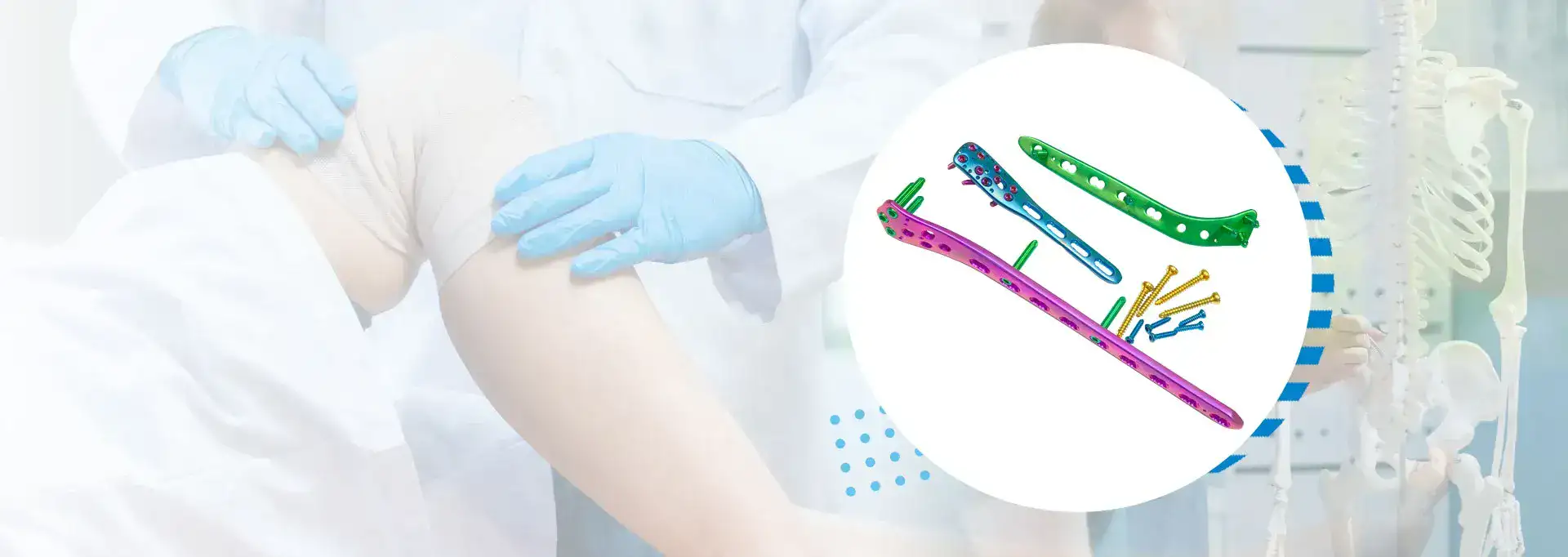
Manufacturing spinal titanium rods begins with certified titanium bar stock, often a medical-grade alloy selected for strength and biocompatibility. The material is cut, straightened, and machined under controlled conditions. CNC turning shapes the rod diameter, while milling creates connection features or specialized ends. Complex curves may require multi-axis machining and carefully controlled bending.
A tolerance of ±0.05 mm sounds impressive, but it needs context. It may apply to diameter, hole position, or a specific length, not every surface. Skilled suppliers inspect these features with calibrated micrometers, optical systems, and coordinate measuring machines. Temperature control matters too. Titanium expands slightly during production, which can affect readings.
Small details matter. Burrs can interfere with assembly. Rough surfaces may increase cleaning challenges. Each batch should have material certificates, inspection records, and traceable process documents. Quality systems aligned with medical-device manufacturing standards also support consistency. However, no process is flawless. I would question any supplier promising identical results without explaining measurement methods, tool wear control, and sampling plans. A reliable manufacturer discusses these limits openly, then improves them through documented testing and process review.
The chart compares minimum tensile and yield strength requirements for commonly used implant titanium grades. Ti-6Al-4V ELI is widely specified for surgical implants, while commercially pure titanium Grade 4 and Ti-6Al-7Nb are also covered by implant-material standards. A CNC tolerance of ±0.05 mm is a manufacturing capability target for selected features, not a universal requirement for every spinal rod design.
Reference basis: ASTM F67 Grade 4, ASTM F136 Ti-6Al-4V ELI, and ASTM F1295 Ti-6Al-7Nb minimum mechanical-property requirements. Values are shown in MPa.
When evaluating Chinese spinal titanium rod suppliers, certification details deserve close review. FDA 510(k) is often misunderstood. It indicates substantial equivalence for a specific medical device. It does not prove every rod is cleared for every use. Ask for the clearance number, product family, indications, and matching model records. Confirm the legal manufacturer and United States representative. A certificate without traceability is weak evidence.
For European distribution, CE marking under the MDR requires more than a printed logo. Depending on classification, review the declaration of conformity, notified body certificate, technical documentation, clinical evaluation, and post-market surveillance records. Check whether the certificate covers spinal rods, titanium alloy grades, and intended indications. These documents should match the factory’s current products. Paperwork can look complete.
ASTM F136 mainly defines requirements for wrought titanium alloy used in surgical implants. It supports material identity, chemistry, mechanical performance, and processing controls. It is not, by itself, regulatory approval. Request mill certificates, heat numbers, test reports, and lot-level traceability. During a factory audit, compare those records with packaging labels and inspection samples. Small gaps matter. If a supplier hesitates, investigate before ordering. My checklist is not flawless; standards and registrations can change. Recheck everything before purchase.
Comparing Chinese spinal titanium rod suppliers requires more than reading a catalog. In practical sourcing reviews, MOQ often reveals production flexibility. Ask whether MOQ applies per diameter, length, or surface finish. A supplier may quote 100 pieces, but custom sizes can require a larger batch. That detail affects inventory and cash flow. Keep the question written.
Lead time should be split into sample approval, raw material purchasing, machining, inspection, and export preparation. Request a dated schedule, not “fast delivery.” For repeat orders, ask how delays are handled. A seven-day sample promise means little if material certificates arrive later. I would also check whether critical dimensions are measured with calibrated equipment. Small deviations matter in surgical assembly. This is where assumptions fail.
Testing documents should match the intended device and applicable ASTM, ISO, and market requirements. Request heat-lot traceability, chemical composition, mechanical results, surface inspection, and biocompatibility evidence when relevant. Review the actual reports, laboratory identity, test methods, and dates. Do not accept a generic certificate without linking it to your batch. Compare unit cost only after adding tooling, testing, packaging, freight, and rejected-part risk. A cheaper rod may become expensive after inspection. My review process can still miss hidden costs. Ask for a line-by-line quotation and keep revision records.
Confirm the legal manufacturer, production site, covered activities, and certificate validity. A certificate alone proves little. Review controlled procedures for material receipt, machining, cleaning, packaging, and final release.
Each finished rod should connect to raw material, heat number, machine batch, operator, inspection data, packaging, and shipment records. Details matter. Request a redacted lot history before approval.
Compare the material certificate’s heat number with the production traveler and final label. Check whether corrections include dates, signatures, and explanations. Paper backups may still support an audit.
The tolerance may cover one diameter, hole position, or length feature. It may not cover every surface. Ask for calibrated equipment records, measurement methods, temperature controls, and sampling plans.
Check burr removal, surface roughness, cleaning records, and bending controls. Burrs can affect assembly. Rough surfaces can complicate cleaning. Tool wear also deserves documented monitoring.
Ask whether the minimum applies to each diameter, length, or surface finish. Split lead time into sampling, material purchasing, machining, inspection, and export preparation. Keep the schedule dated.
Request material composition, mechanical results, dimensional reports, surface inspection, and relevant biocompatibility evidence. Reports should identify the laboratory, test method, date, and production batch.
Not necessarily. Add tooling, testing, packaging, freight, and rejected-part risks. Request a line-by-line quotation. A cheaper rod may become expensive after inspection.
No. Remote audits review documents and meetings, but they cannot reveal every floor-level habit. A visit is useful when practical. My review can still miss hidden weaknesses.
Spinal Titanium Rods are precision-engineered implants commonly produced from ASTM F136 Ti-6Al-4V ELI titanium, a material selected for its strength, corrosion resistance, and biocompatibility. Leading Chinese suppliers typically support production with ISO 13485 quality systems and detailed traceability records, helping buyers verify material origins, processing stages, and inspection results. Advanced CNC machining can achieve dimensional tolerances as tight as ±0.05 mm, while surface finishing, cleaning, and final inspection help ensure consistent product quality.
When evaluating suppliers, buyers should review FDA 510(k) and CE MDR readiness where applicable, along with ASTM F136 material compliance and relevant testing documentation. A practical comparison should also consider minimum order quantity, lead time, customization capability, packaging, testing methods, and total unit cost. Clear communication about drawings, tolerances, sample approval, and quality records can reduce purchasing risks and support reliable long-term cooperation.