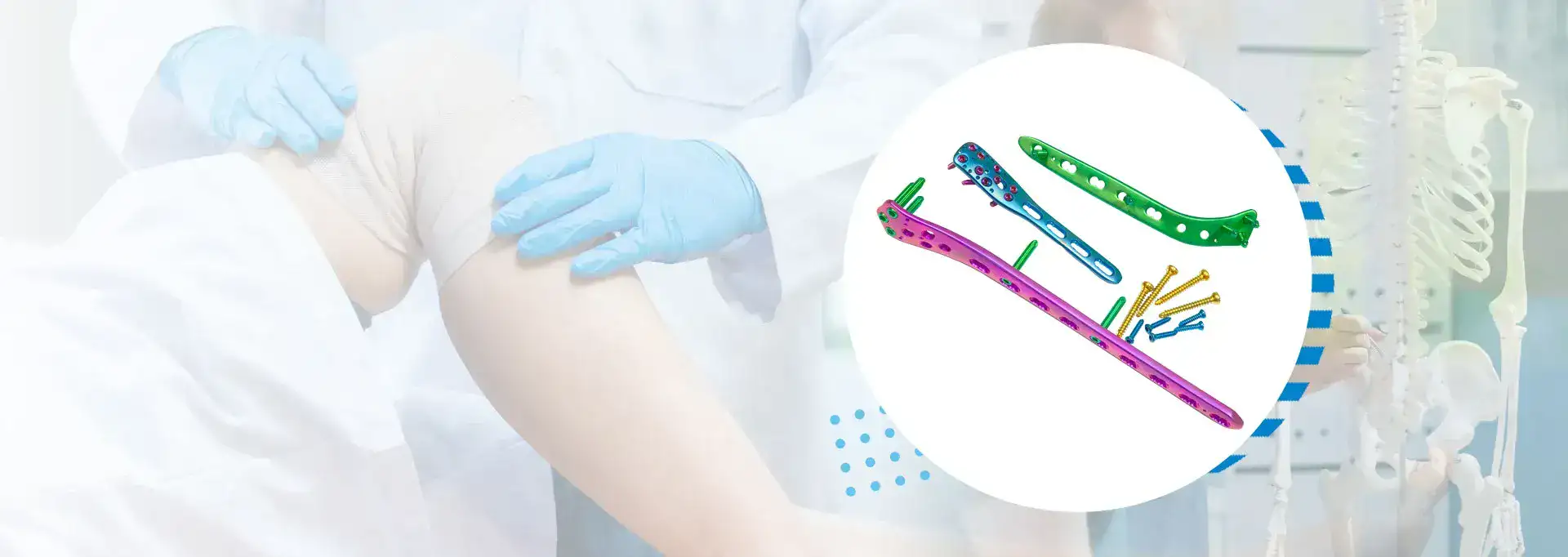
Orthopedic & Spine Surgery Insights — GPC Medical USA Blog
Knowledge Hub · GPC Medical USA

Orthopedic & Spine Surgery Insights

Explore technical guides, surgical updates, and medical implant developments from industry experts.
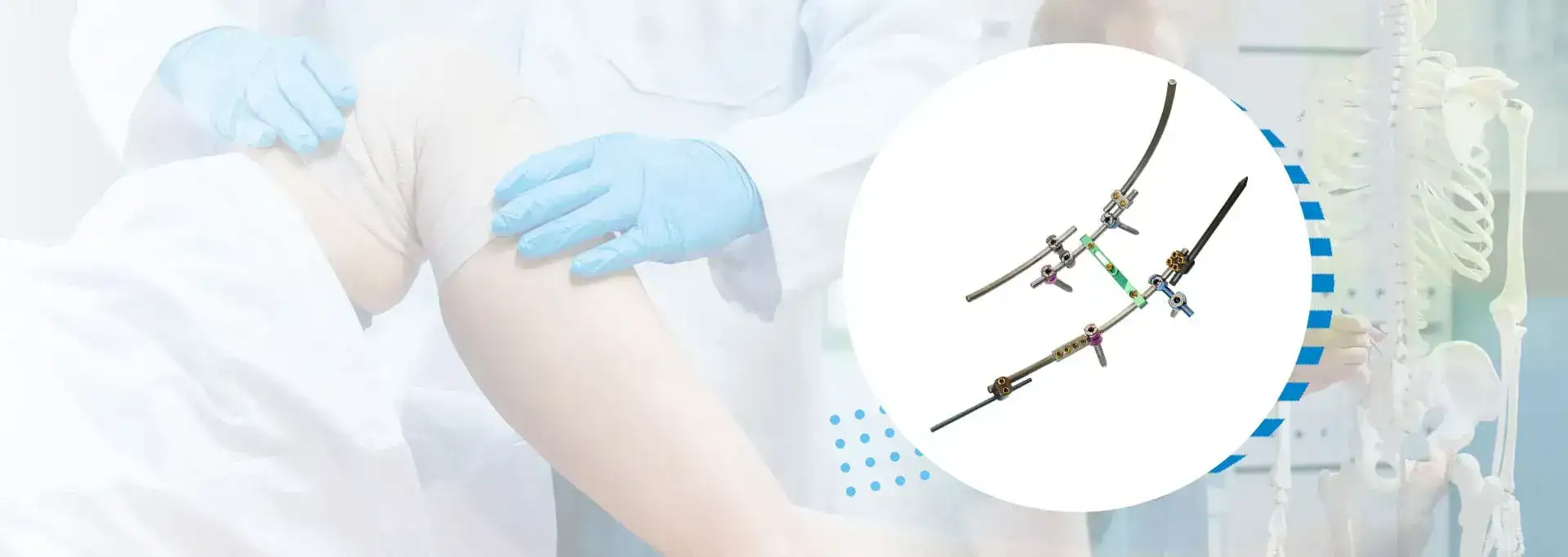
Spine System Innovations — GPC Medical USA
Spine Implants & Tech
Advancements in Spine Fixation

In-depth analysis of pedicle screw design, spinal fusion techniques, and clinical outcome optimization.
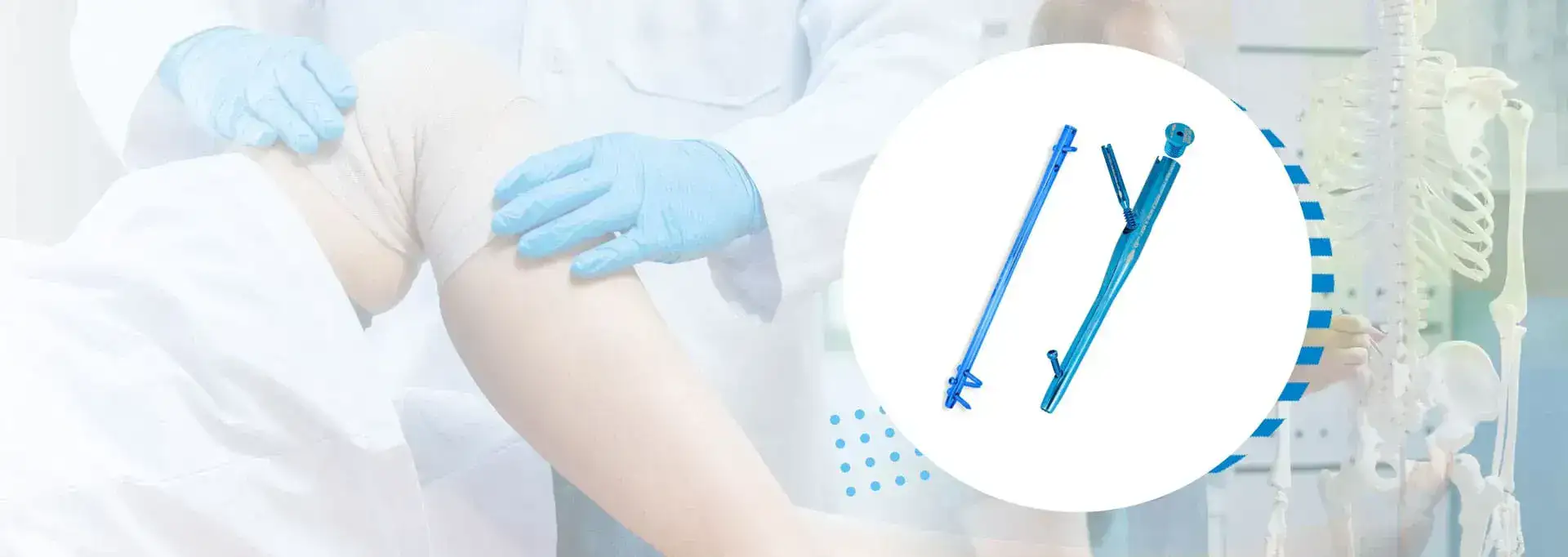
Trauma Implant Articles — GPC Medical USA
Trauma Innovations
Trauma Surgery Trends

Latest updates on intramedullary nailing systems, locking plates, and fracture management protocols.

Orthopedic & Spine Surgery Insights

Discover expert articles, clinical technical guides, and medical device updates from GPC Medical USA.

Get Catalog
0%

The rise of spine implants in China has attracted global attention. As the demand for innovative medical solutions grows, so does the interest in quality spine implants. These medical devices play a crucial role in treating spinal disorders, making their selection vital for patient outcomes.

Chinese manufacturers have made significant advancements in technology and quality control. Many now adhere to international standards, enhancing their credibility. Yet, buyers must navigate a competitive market filled with options. Understanding the unique features of various spine implants can be challenging.

While many companies produce high-quality implants, not all meet the essential standards. Some may lack transparency regarding materials and manufacturing processes. Therefore, global buyers must conduct thorough research. This ensures they make informed decisions, ultimately impacting the quality of care patients receive.

Top Spine Implants in China for Global Buyers?

Top Spine Implants Manufacturers in China for International Markets

In recent years, China has become a significant player in the spine implant manufacturing sector. The expertise in materials and advanced technology has attracted global buyers. Many manufacturers focus on quality and innovation, ensuring their products meet international standards.

When exploring options, consider the manufacturer’s experience and certifications. Research their reputation in the market. Some companies may not have a long-standing history but can offer innovative solutions. This balance of tradition and modernity is crucial for making informed decisions.

**Tip:** Verify the manufacturing processes. Look for firms that adhere to strict quality control guidelines.

Regional advantages include lower production costs. However, not all products guarantee the same level of quality. Be cautious, as some manufacturers may prioritize cost over excellence.

**Tip:** Establish communication with potential suppliers. Discuss their approach to research and development. This can reveal their commitment to improving spinal health treatment.

Familiarize yourself with regulations and compliance in the destination market. A thorough understanding aids in avoiding potential pitfalls. Always seek feedback from existing customers to evaluate reliability and service.

Top Spine Implants in China for Global Buyers

Type of Implant Material Size Options Market Price Range (USD) Certifications
Spinal Fusion Cage Titanium 8mm - 12mm 500 - 700 ISO, CE
Pedicle Screw System Stainless Steel 4.5mm - 6.5mm 800 - 1200 ISO, FDA
Interspinous Device Polyetheretherketone (PEEK) 7mm - 10mm 300 - 500 CE
TLIF Cage Titanium Alloy 10mm - 14mm 600 - 900 ISO, CE
Artificial Disc Cobalt Chromium Single Size 1200 - 1800 FDA, CE

Major Types of Spine Implants Available in China

Spine implants are crucial in treating various spinal disorders. In China, the market for spine implants is expanding rapidly. According to a report by Research and Markets, the spine implant market in China is projected to grow significantly, with an expected CAGR of over 10% through 2025.

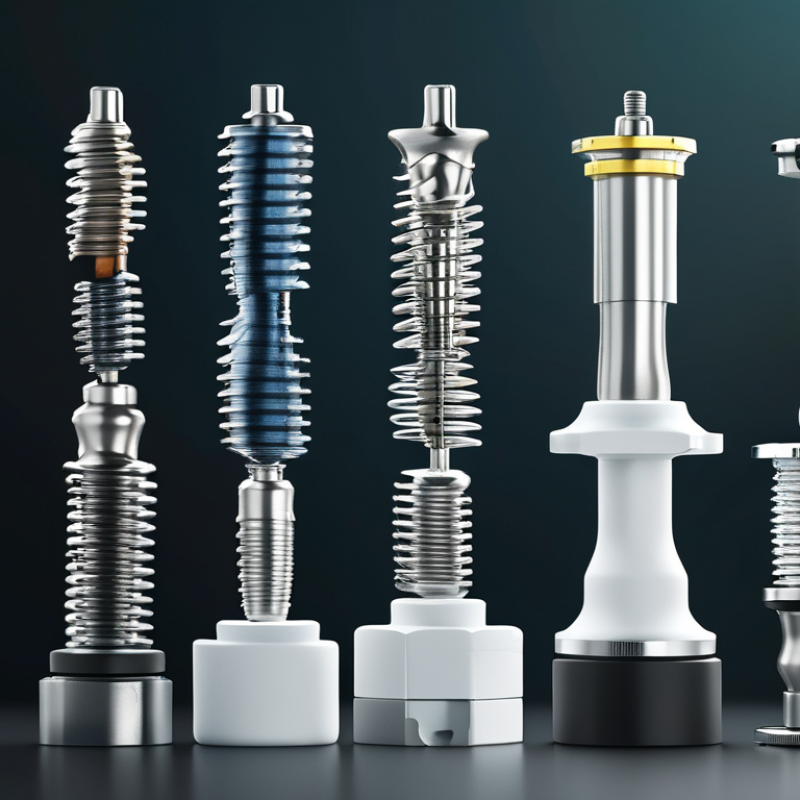
Among the major types of spine implants available are pedicle screws, interbody cages, and artificial discs. Pedicle screws are widely used in spinal fusion surgeries. They provide stability and allow for the correction of spinal alignment. Interbody cages, another popular option, are designed to be placed between vertebrae. These are typically made from biocompatible materials, promoting bone growth over time. The use of artificial discs is also gaining traction, particularly for patients looking for motion preservation.

Despite the market's growth, challenges remain. Issues with product quality and variations in surgical techniques can hinder efficacy. Some medical professionals express concern over the learning curve for new surgical procedures involving these implants. As innovation continues, addressing these challenges is essential. Collaborations between manufacturers and healthcare providers can help improve outcomes.

Quality Standards and Certifications for Chinese Spine Implants

When considering spine implants in China, quality assurance is crucial. Many manufacturers focus on adhering to international standards. Compliance with ISO 13485 ensures medical devices meet rigorous requirements. This certification is a notable benchmark for safety and effectiveness. However, not all companies follow these standards consistently.

Effective quality control includes regular testing of materials and products. Guidelines from the FDA and CE mark are often referenced. Nevertheless, inconsistencies can arise. Some manufacturers may overlook essential testing processes. This can lead to variations in implant performance. Buyers need to conduct thorough due diligence before making decisions.

Testing for biocompatibility is also critical. Implants must integrate well with the human body. Any poor integration can result in adverse reactions. Therefore, a reliable manufacturer will provide documented testing results. Global buyers must understand these factors to ensure patient safety.

Key Features and Innovations in Chinese Spine Implant Technology

In recent years, Chinese spine implant technology has seen significant advancements. These innovations focus on improving patient outcomes while ensuring safety and efficiency. Notably, the use of biocompatible materials is on the rise. These materials reduce the risk of rejection and enhance healing. Surgeons favor implants that fuse well with bone. This fusion minimizes complications in recovery.

3D printing technology has transformed implant design. This allows for customized implants tailored to individual patients' anatomy. Surgeons can now obtain precise measurements before the procedure, creating better fitting implants. However, not all facilities have access to this technology. Quality control remains a critical aspect. Ensuring consistency in production is essential.

Tips for buyers include researching material quality and surgical outcomes. Look for suppliers with a history of success stories. Always verify the regulatory approvals for the products. Consider the experience of the medical professionals involved in the implant procedure. Quality matters, but so does the expertise of the surgical team. As you navigate this landscape, stay informed about trends and challenges.

Market Trends and Demand for Spine Implants Among Global Buyers

The market for spine implants in China is expanding rapidly. In 2022, the global spinal implants market reached approximately $13 billion. China's share has been on the rise, driven by an aging population and increasing back disorders. Reports suggest that this market is projected to grow at a CAGR of about 5.8% from 2023 to 2030.

Many global buyers seek quality and innovation in spine implants. They are particularly interested in cost-effective solutions without compromising quality. The demand for minimally invasive surgical options is also increasing. Data indicates that about 25% of surgeries now utilize these advanced techniques. This signals a shift in consumer preferences, optimizing recovery times and reducing hospital stays.

Tip: Stay updated on new technologies in spine surgery. Understanding trends can improve buying decisions. Prioritize products backed by clinical evidence.

However, challenges exist. Some buyers may find it difficult to assess implant quality due to a plethora of options. Price competitiveness may lead to sacrifices in material quality. Research shows that a significant percentage of users encounter post-surgery complications due to inferior implants. Balancing cost with reliability is crucial as the market continues to evolve.

FAQS

: What are the main types of spine implants available?

: The major types include pedicle screws, interbody cages, and artificial discs. Each serves a unique purpose in spinal surgery.

Why are pedicle screws important in spinal surgeries?

Pedicle screws provide stability during spinal fusion. They help correct spinal alignment effectively.

What is the role of interbody cages?

Interbody cages are placed between vertebrae and promote bone growth. They are made from biocompatible materials.

How do artificial discs benefit patients?

Artificial discs offer motion preservation. They are an option for patients wanting to maintain mobility post-surgery.

Why is quality assurance vital for spine implants?

Quality assurance ensures implants meet safety standards. Non-compliance can lead to ineffective or unsafe products.

What certification should spine implant manufacturers seek?

Manufacturers should aim for ISO 13485 certification. It indicates adherence to rigorous quality requirements.

How can buyers ensure the quality of spine implants?

Buyers must conduct thorough due diligence. This includes reviewing testing results and quality control practices.

What challenges exist in the spine implant market?

Challenges include product quality variations and inconsistent surgical techniques. These can hinder patient outcomes.

Why is biocompatibility testing important for implants?

Implants need to integrate well with the body. Poor integration can cause adverse reactions in patients.

What should manufacturers and healthcare providers do for improvements?

Collaborations can enhance outcomes. Addressing challenges through innovation is essential for future progress.

Conclusion

The article delves into the landscape of spine implants manufactured in China, focusing on their appeal to international buyers. It highlights the leading manufacturers in the country and explores the major types of spine implants available, underscoring their crucial role in addressing various spinal conditions. The discussion extends to the quality standards and certifications that these implants meet, ensuring safety and efficacy for global markets.

Additionally, the article examines the key features and innovations in Chinese spine implant technology, showcasing advancements that enhance patient outcomes. Market trends reveal a growing demand for these implants among global buyers, driven by the need for effective spine care solutions. Overall, the narrative underscores China's significant position in the global spine implants market, characterized by its commitment to quality and innovation.

Amara

Amara

Amara is a dedicated marketing professional with an exceptional understanding of the company's product offerings and services. With a keen insight into market trends and consumer needs, she strives to create impactful marketing strategies that effectively communicate the value of the company’s core......