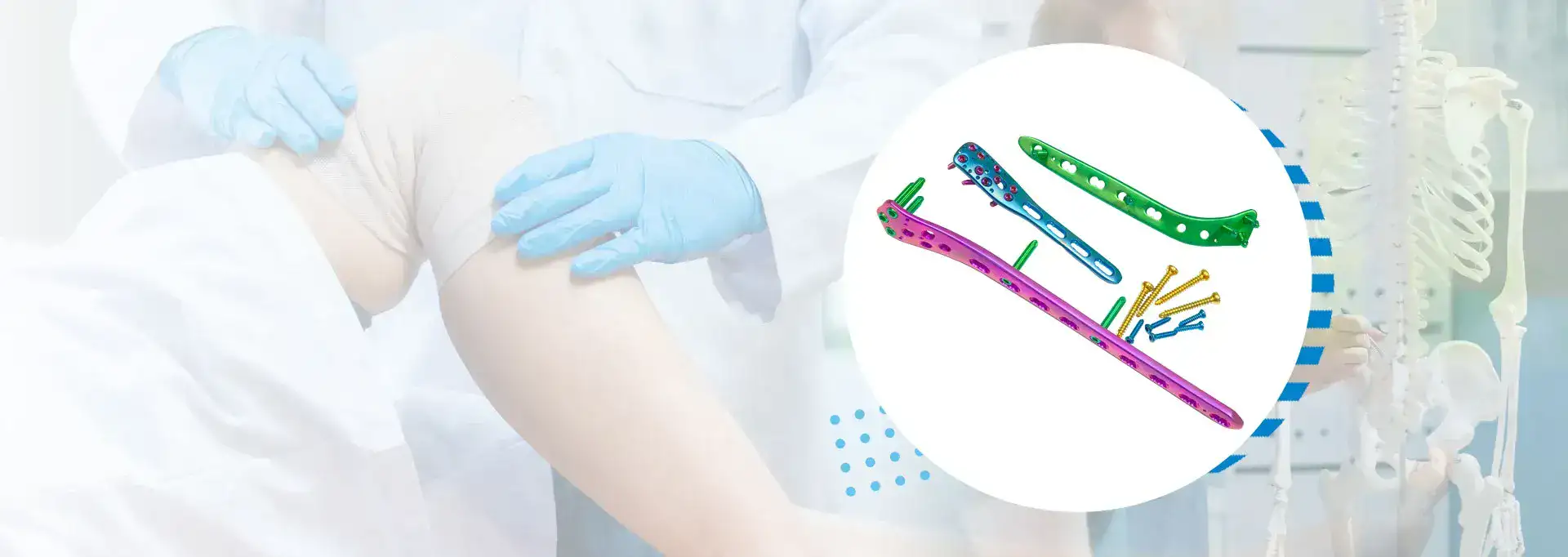
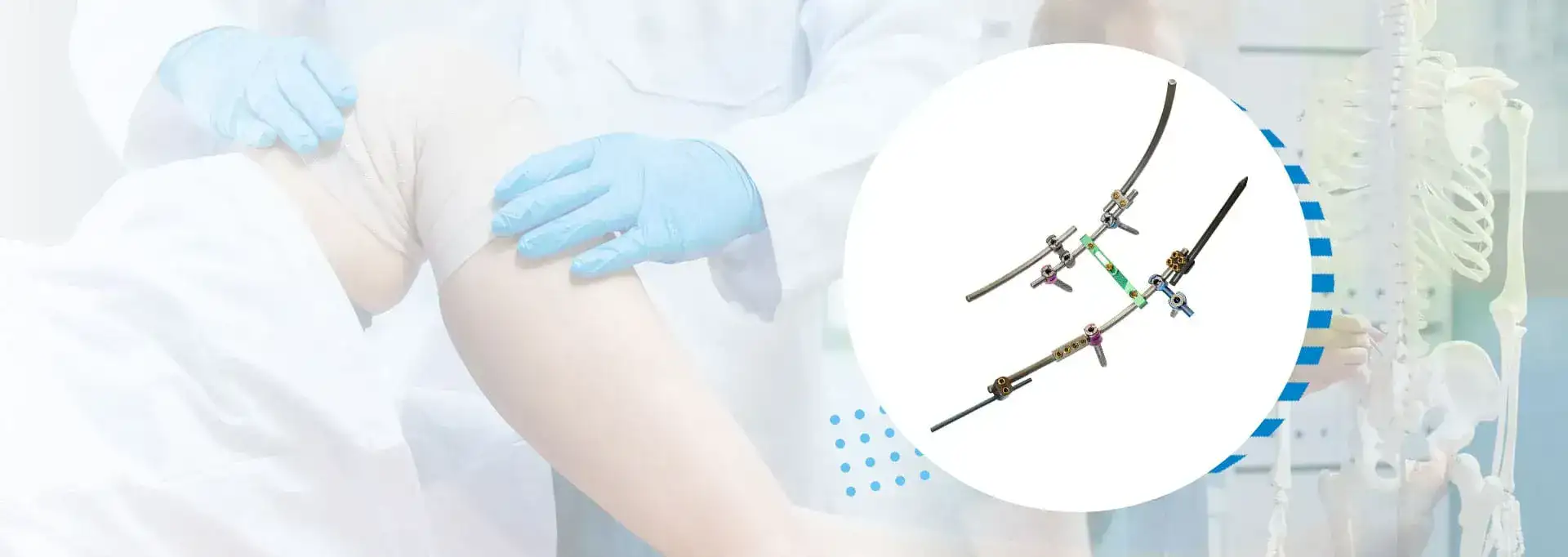
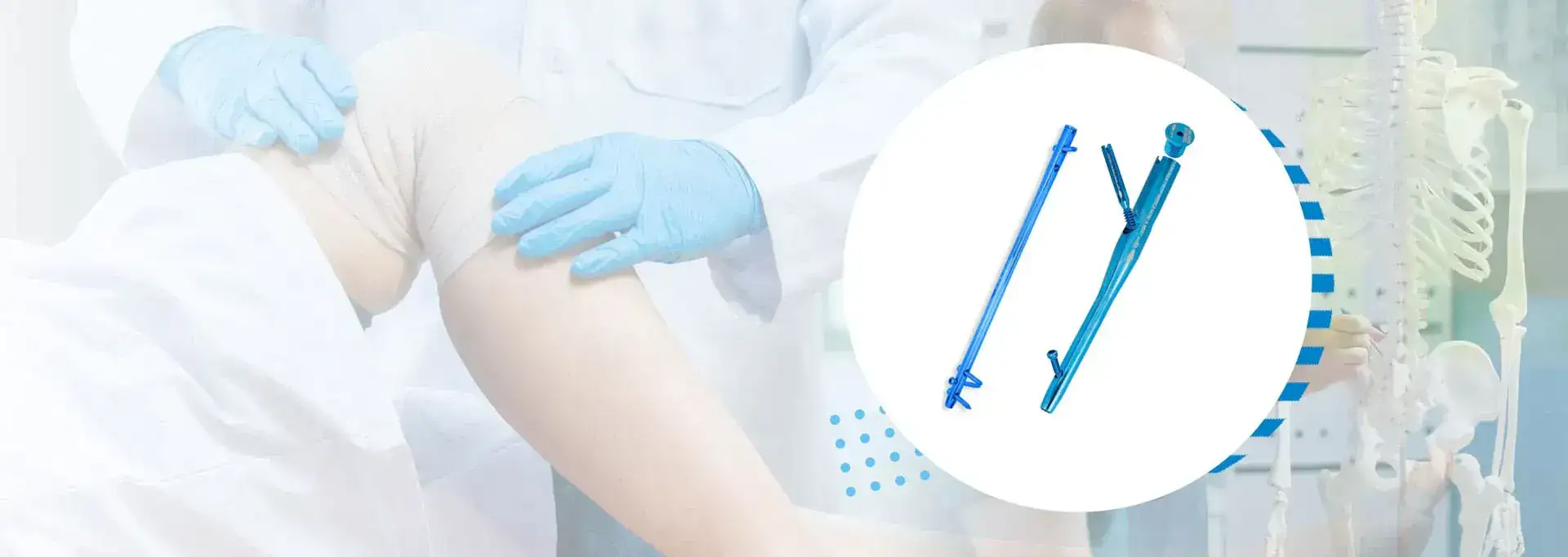
Choosing the Top 10 Polyaxial Reduction Screws Manufacturers requires more than comparing product catalogs. These implants must support controlled correction, secure fixation, and reliable handling during demanding spinal procedures. Small design details matter. Thread geometry, tulip strength, reduction travel, and instrument feedback can influence surgical confidence.
Dr. Lawrence G. Lenke, a respected spinal deformity surgeon, has expressed this guiding principle: “A successful construct must correct deformity while respecting biology and neural safety.” That perspective keeps the discussion clinically grounded. A manufacturer may offer advanced screws, but surgeons still need consistent tolerances, documented testing, and dependable technical support. Packaging quality matters too. So does the feel of the reducer in a gloved hand.
This overview examines ten notable manufacturers through practical and evidence-based criteria. These include engineering capability, material selection, manufacturing consistency, regulatory compliance, clinical adoption, and surgeon experience. It also considers whether companies provide clear instructions and responsive education. Not every brand fits every case. That is the uncomfortable part.
Performance claims should not replace independent evaluation. Product availability also changes across regions. Some manufacturers publish extensive data, while others provide less detail. This comparison therefore aims to inform, not prescribe. Hospitals and surgeons should verify current approvals, product indications, and safety information before making decisions. Polyaxial Reduction Screws are specialized devices. Their value depends on design, execution, and patient-specific judgment. No ranking is perfect. Clinical reality varies.
What Are Polyaxial Reduction Screws in Posterior Spinal Fixation?
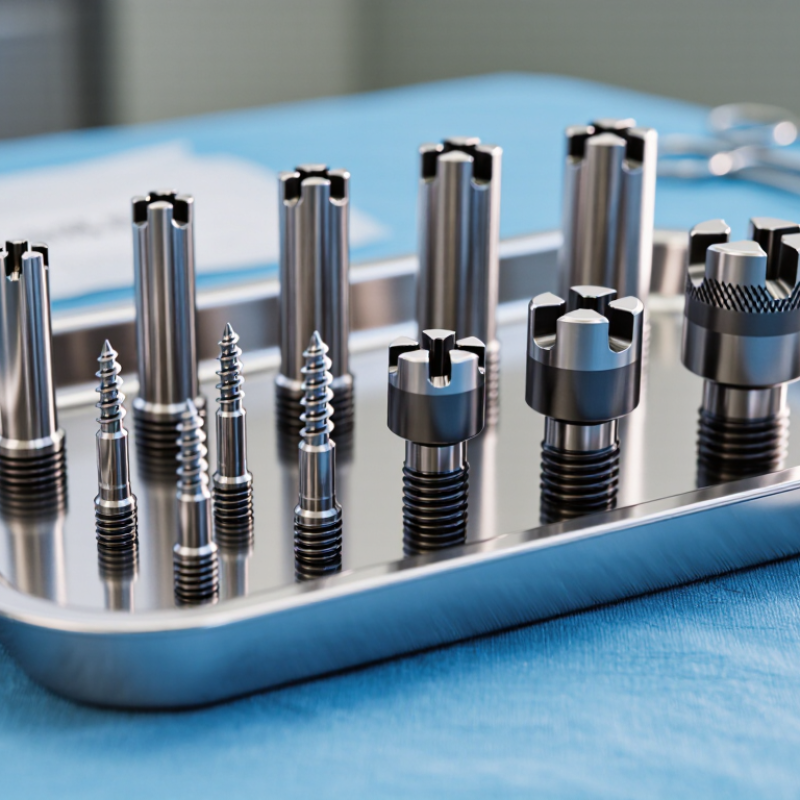
Polyaxial reduction screws are used in posterior spinal fixation to connect vertebrae with a contoured rod. Their screw heads can pivot in multiple directions, helping the surgeon seat the rod when alignment is imperfect. Reduction tabs then draw the rod toward the screw head. This can support correction of kyphosis, instability, or spondylolisthesis without forcing every screw into one fixed angle.
Small movements matter.
A 2024 MarketsandMarkets industry report estimates continued growth in the global spinal implants market, driven partly by aging populations and increasing fusion procedures. However, market growth does not prove clinical superiority. Surgical experience remains decisive. Excessive rod reduction may increase neural tension or disturb segmental alignment. Poor screw trajectory can also threaten facets, fixation strength, or soft tissue.
The details are unforgiving.
Surgeons typically confirm screw position with intraoperative imaging and assess the rod’s seating before final tightening. A 2023 review in the European Spine Journal reported that evidence for newer fixation features remains mixed, with outcomes depending on pathology, construct design, and technique. That uncertainty deserves attention. Polyaxial motion improves flexibility, but it may reduce control if the head is not fully locked. Manufacturers and hospitals should therefore evaluate pullout strength, reduction capacity, head integrity, and compatibility with imaging protocols before selecting systems for posterior spinal fixation.
How Screw Heads Capture Rods and Assist Vertebral Reduction
When comparing the top 10 polyaxial reduction screw manufacturers, examine how each screw head captures and controls the rod. A polyaxial head pivots around the screw shaft, allowing the rod to enter despite small alignment differences. This flexibility can reduce unnecessary force on the implant-bone interface.
During vertebral reduction, the rod is guided into the tulip-shaped head. Reduction tabs or towers then draw the rod downward in a controlled path. The mechanism can restore alignment gradually, rather than forcing the vertebra into position at once. Surgeons should monitor rod seating, screw trajectory, and neural decompression throughout the procedure. Small changes matter.
The final locking step secures the rod and limits further head movement. Proper torque is essential. Too little may permit rod migration, while excessive force can damage the interface or complicate revision. The process is not always elegant. A head may look aligned but still hold the rod unevenly. Fluoroscopy, direct visualization, and careful tactile feedback remain valuable checks.
Reliable manufacturers typically provide clear reduction-force data, validated locking performance, compatible instruments, and traceable quality controls. Their designs should support predictable handling across different vertebral levels. Surgeons may also compare tower visibility, rod insertion resistance, and the amount of reduction available. These details are easy to overlook. A practical assessment in the operating room can reveal weaknesses that specifications alone cannot show.
Which Design Metrics Matter: Diameter, Thread, Angulation, and Rod Size
Top 10 Polyaxial Reduction Screws Manufacturers? Which Design Metrics Matter: Diameter, Thread, Angulation, and Rod Size
When comparing the top ten manufacturers, diameter deserves more than a simple “bigger is stronger” judgment. A 2023 review in the Journal of Orthopaedic Surgery and Research linked larger fixation dimensions with improved pullout resistance, but bone quality remained a major variable. In practical testing, a 6.5 mm screw may perform differently in dense lumbar bone and fragile osteoporotic bone. Diameter should match anatomy, purchase depth, and planned correction.
Thread design also changes handling. Coarse threads can improve purchase in softer bone, while finer threads may offer smoother advancement. The choice is not universal. According to the International Osteoporosis Foundation, osteoporosis affects approximately 200 million women worldwide, making fixation strategy increasingly important.
Angulation is another critical metric. A broad polyaxial range can simplify rod capture, but excessive mobility may reduce control during reduction. More movement is not always better.
Rod compatibility must be checked precisely. Common rod diameters include 5.5 mm and 6.0 mm, yet small dimensional mismatches can affect seating and locking reliability. The FDA’s spinal system guidance emphasizes mechanical testing, fatigue performance, and secure component engagement. Those metrics matter more than marketing claims. I would also question catalog comparisons based only on maximum torque. Real surgery includes bending, limited visibility, variable bone, and imperfect alignment. Bench data helps, but it cannot reproduce every operating-room decision.
How ASTM F1717 and ISO 13485:2016 Inform Implant Evaluation
When comparing the top 10 polyaxial reduction screw manufacturers, buyers should look beyond catalog images and stated load values. ASTM F1717 provides a repeatable laboratory framework for evaluating spinal implant constructs. Test setups may include compression, compression-bending, tension, and torsion. These methods can reveal how a screw-rod assembly resists deformation or failure under controlled loading.
The standard is useful, but it is not a complete clinical prediction. A passing result reflects the tested configuration, materials, and conditions. It does not automatically represent every screw size or surgical technique. Test details matter. Engineers should review specimen preparation, loading cycles, failure definitions, and whether the construct reflects realistic vertebrectomy conditions. Small changes can influence results.
ISO 13485:2016 adds a quality-system perspective. It examines design controls, risk management, supplier oversight, process validation, traceability, and corrective actions. During supplier evaluation, auditors should connect these records with actual implant specifications and inspection data. Certification alone does not prove superior clinical performance.
A practical review may also inspect thread consistency, reduction mechanism function, locking behavior, and packaging integrity. These details are easy to overlook. A polished test report can still leave unanswered questions. Comparing manufacturers requires technical evidence, transparent methods, and careful recognition of what each standard cannot measure.
How to Compare 10 Manufacturers by Product Range and Regulatory Records
Comparing the top 10 polyaxial reduction screw manufacturers requires more than counting catalog pages. Review screw diameters, lengths, thread designs, reduction heights, and available tulip angles. Check whether the system includes rods, connectors, locking caps, trials, and dedicated insertion instruments. Compatibility matters during surgery. A broad range may reduce intraoperative substitutions, but it can also complicate inventory control.
Regulatory records deserve equal attention. Confirm the exact product family, not only the manufacturer’s general certification. In the United States, check device-specific clearance and current labeling. For Europe, verify valid MDR certification, scope, and notified-body details. Review ISO 13485 certificates, inspection findings, recalls, and complaint histories where public records exist. Dates matter. An expired certificate is not a minor detail. Neither is a clearance covering a different screw configuration. Manufacturer responses to field issues can reveal practical quality culture.
Tips: Build a comparison sheet for all ten suppliers. Record sizes, materials, imaging claims, sterilization status, warranty terms, and regulatory documents. Ask for lot traceability evidence and recent certificate copies. Request clinical training details, too. A polished brochure proves little. In practice, delivery reliability and instrument ergonomics may influence outcomes as much as product variety. This is where evaluations can become subjective. That weakness should be documented, not hidden. Independent surgeon feedback, procurement records, and hands-on tray checks can expose gaps that a website leaves untouched.
Conclusion
Polyaxial Reduction Screws are important components in posterior spinal fixation, combining a mobile screw head with a threaded anchor to help capture spinal rods and support controlled vertebral reduction. Their design allows the rod to be aligned with the construct while helping surgeons manage alignment, stability, and compression during fixation. Key performance considerations include screw diameter, thread geometry, available angulation, head mobility, and compatibility with the intended rod size. These factors influence insertion options, load distribution, construct strength, and procedural flexibility.
A meaningful comparison of ten manufacturers should examine product range, configuration options, surgical instrumentation, quality systems, and publicly available regulatory records rather than relying on marketing claims alone. ASTM F1717 can provide a framework for evaluating spinal implant constructs under laboratory conditions, while ISO 13485:2016 addresses the quality management systems used for medical device design and production. Together, these references support a structured review of safety, consistency, documentation, and intended clinical application.