Pedicle Screw Caps are small but essential components in many spinal fixation systems. They secure a longitudinal rod inside a pedicle screw head. This connection helps stabilize selected spinal segments during healing or correction. Despite their size, their design influences construct strength, surgical handling, and compatibility.
A typical cap works with a threaded screw head and a spinal rod. The surgeon positions the rod, places the cap, and advances it into the screw head. Controlled tightening applies force that locks the rod in place. Torque matters. Too little tightening may allow movement, while excessive force can damage threads or components. Specialized instruments and manufacturer-specified settings help reduce these risks.
The mechanism sounds simple. It is not always simple. Different systems use different thread profiles, cap shapes, and locking methods. Some caps include self-tapping features or safeguards against cross-threading. Their performance also depends on bone quality, rod contour, implant alignment, and surgical technique. Clinical decisions belong to qualified spine professionals, supported by imaging and the device’s instructions for use. Evidence and product specifications should guide explanations, rather than marketing claims.
This guide will examine how Pedicle Screw Caps fit into a spinal construct, how locking forces are applied, and why accurate placement matters. It will also address common misunderstandings, including the belief that the cap alone provides stability. In practice, the cap is one part of a carefully planned system. Small details can matter. However, device behavior varies, and no general explanation replaces patient-specific medical advice.
What Are Pedicle Screw Caps?
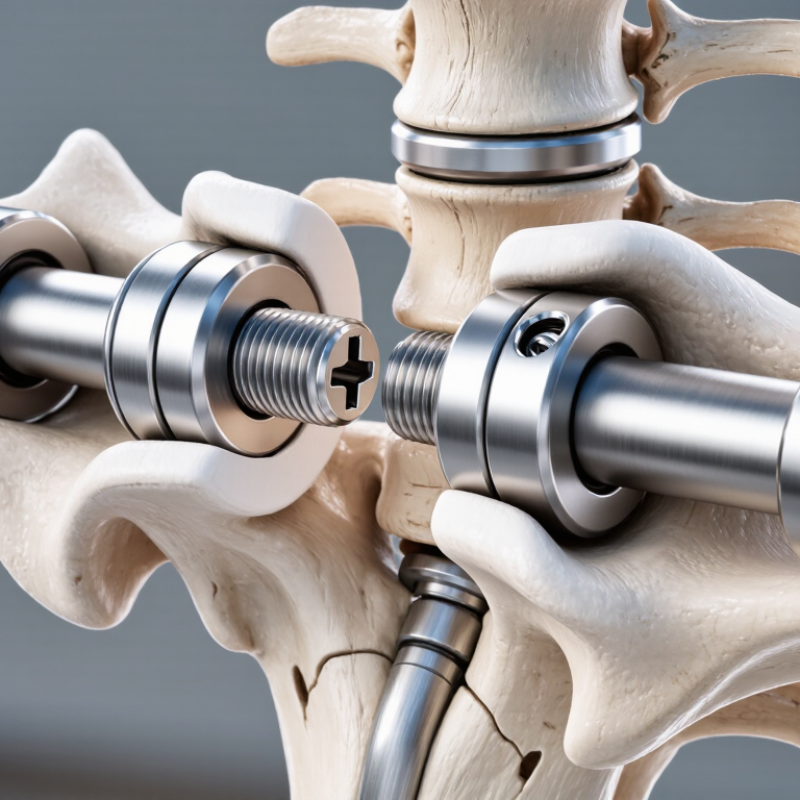
Pedicle screw caps are small locking components used in spinal fixation systems. They sit over a spinal rod and secure the rod inside a pedicle screw head. The screw anchors the construct in a vertebra, while the rod helps connect several screws. The cap applies controlled pressure, keeping the rod from shifting during movement and healing.
A surgeon places the rod into the screw head, then threads the cap into position. Specialized instruments tighten it to a specified level. Proper tightening matters. Too little force may allow movement or loosening. Excessive force can damage the component or affect the surrounding construct. The exact design varies, so caps must match the screw system and surgical technique. Imaging, clinical assessment, and manufacturer instructions guide safe use. A simple description can miss important details.
Tips: Pedicle screw caps are not interchangeable by appearance alone. Their thread pattern, size, and locking method must correspond with the screw assembly. Patients should ask their spinal surgeon which components were used and why. Persistent pain, new weakness, numbness, or wound changes need prompt medical evaluation. Even a well-placed cap cannot replace careful planning, accurate placement, and follow-up care.
Key Components and Materials of Pedicle Screw Caps
What Are Pedicle Screw Caps and How Do They Work?
Key Components and Materials of Pedicle Screw Caps
Pedicle screw caps are small locking components in spinal fixation systems. They secure the connecting rod inside the screw head. A cap usually contains internal threads, a bearing surface, and a controlled locking interface. During surgery, the cap is tightened with a calibrated driver. This action presses the rod firmly against the screw seat. Stability depends on accurate thread engagement and controlled torque. Too little torque may allow movement. Excessive torque can damage the interface.
Material selection affects strength, corrosion resistance, and imaging performance. Titanium alloy is common because it combines high strength with relatively low density. Ti-6Al-4V has an approximate density of 4.43 g/cm³, according to ISO 5832-3 material specifications. Cobalt-chromium offers greater stiffness, but it is heavier, with a density near 8.3 g/cm³. Some systems use stainless steel or polymer inserts for specific mechanical functions. Material compatibility still matters.
The FDA’s 2023 guidance for spinal system submissions emphasizes mechanical testing, fatigue evaluation, material characterization, and traceable manufacturing controls. ASTM F543 also provides recognized methods for testing metallic bone screws. These standards do not guarantee clinical success. Surgical technique, bone quality, rod contour, and cap seating remain important. A cap may look simple. It is not. Small thread damage or poor alignment can affect final fixation, and real-world performance can vary between patients.
How Pedicle Screw Caps Secure Spinal Rods
Pedicle screw caps, often called set screws, hold spinal rods inside the screw head. The screw anchors into the vertebra, while the rod connects several screws along the spine. The cap creates the locking force.
Small part. Critical job.
During surgery, the rod is placed into the screw head’s channel. A surgeon then threads the cap into the opening. As the cap advances, it presses the rod against the inner seat. This pressure limits rod movement and helps preserve the planned spinal alignment. The cap does not work alone. Correct rod contour, screw position, and cap engagement all affect stability.
A torque-limiting driver is commonly used to tighten the cap within the specified range. Too little force may allow loosening or rod motion. Excessive force can damage the threads, deform the cap, or affect the screw assembly. Thread alignment matters. A cross-threaded cap may feel tight without providing reliable fixation.
Imaging and direct inspection help confirm that the rod is fully seated. Clinical teams also check for gaps, incomplete engagement, and possible interference with nearby anatomy. Results can vary with bone quality, spinal anatomy, and surgical technique. The mechanism seems simple, but small errors can matter. Long-term stability still requires professional judgment and follow-up.
What Are Pedicle Screw Caps and How Do They Work?
How Pedicle Screw Caps Secure Spinal Rods
A pedicle screw construct commonly includes four functional elements: the pedicle screw anchors into the vertebra, the tulip or receiver accepts the spinal rod, the rod links multiple fixation points, and the set screw or cap clamps the rod inside the receiver. Tightening the cap creates the locking force that helps prevent rod migration.
The Step-by-Step Role of Caps in Spinal Stabilization
What Are Pedicle Screw Caps and How Do They Work?
The Step-by-Step Role of Caps in Spinal Stabilization
Pedicle screw caps, often called set screws, secure a spinal rod inside each screw head. The rod connects several vertebrae and helps maintain the planned alignment. During surgery, the clinician first places screws into selected pedicles using imaging and anatomical landmarks. Each screw must follow a safe path through strong bone.
The rod is then shaped to match the spine’s intended contour. It is seated inside the screw heads. A cap is placed over the rod and gently threaded into the screw head. This creates initial contact. Small adjustments may follow. The surgeon can apply compression, distraction, or rotational correction before final tightening. Every movement affects the connected spinal segments.
Torque matters. Too little tightening may allow rod movement. Excessive force can damage the cap, screw, or surrounding bone. For this reason, the surgical team uses calibrated instruments and follows the fixation system’s approved instructions. Intraoperative imaging may confirm the screw position and rod placement. The process is precise, but not flawless. A cap can feel secure while the rod remains slightly misaligned. One detail is easy to overlook: tissue, debris, or poor thread engagement can interfere with locking. Careful inspection and measured tightening help reduce these risks.
Types, Benefits, and Clinical Considerations of Pedicle Screw Caps
What Are Pedicle Screw Caps and How Do They Work?
Pedicle screw caps, often called set screws, secure a spinal rod inside the screw head. The surgeon places the rod across several pedicle screws, then tightens each cap with a calibrated instrument. This creates a stable connection for spinal alignment and fusion. The cap does not work alone. Its performance depends on screw design, rod contour, bone quality, and accurate tightening.
Types vary by locking mechanism and screw-head design. Fixed-angle caps hold the rod in a more controlled position. Variable-angle systems allow limited adjustment during alignment. Some caps support compression or distraction maneuvers, while others focus on simple rod fixation. Benefits may include stronger construct stability, controlled correction, and fewer moving parts during surgery. However, “stronger” does not always mean better. Excessive force may damage the connection or affect alignment.
Clinical decisions require careful planning. Caps must match the selected screw and rod system; components are not universally interchangeable. Surgeons check seating, thread engagement, and final torque before closing the wound. Intraoperative imaging may help confirm rod placement and spinal balance. Poor bone quality, unusual anatomy, or revision surgery can increase technical difficulty. Even experienced teams may need to reassess rod contour and tightening sequence. Long-term follow-up remains important because loosening, migration, or fusion problems can still occur. Patient-specific anatomy should guide every choice.
Conclusion
Pedicle Screw Caps are small but essential components in spinal fixation systems. They work with pedicle screws and spinal rods to create a stable framework that supports the spine during healing or correction. Typically made from strong, biocompatible metals, these caps are designed to withstand mechanical forces while fitting securely within the screw assembly. Their shape and threading allow them to lock the spinal rod in the desired position without damaging surrounding components.
During stabilization, the screw is placed into the vertebra, the rod is positioned across the screw heads, and the cap is inserted and tightened to hold the rod firmly. This process helps maintain spinal alignment and distribute loads across the construct. Different cap designs may support various surgical techniques, adjustment needs, and fixation requirements. Clinical considerations include accurate placement, appropriate tightening, compatibility with the implant system, and careful evaluation of the patient’s anatomy. Proper use can improve construct stability, while incorrect handling may reduce fixation performance.