Executive Overview: Decoding Orthopedic Bone Screw Procurement for Global Markets
In modern traumatology and reconstructive spinal surgery, Orthopedic Bone Screws serve as the primary mechanical element for internal fracture fixation, interfragmentary compression, and implant-to-bone stabilization. Whether utilized independently as lag screws or integrated into complex locking compression plate (LCP) and pedicle screw constructs, the mechanical integrity of a bone screw directly determines patient surgical outcomes, bone union rates, and construct fatigue life.
For global procurement directors, OEM hospital buyers, and medical device distributors, evaluating orthopedic bone screws requires analyzing critical parameters beyond basic dimensional measurements. Key procurement considerations include raw material biomechanics (such as Grade 5 Ti-6Al-4V ELI versus AISI 316L Implant Grade Stainless Steel), thread profile geometry (cortical pitch vs. cancellous pitch), drive mechanism efficiency (Star/Torx vs. Hexagonal), surface passivations, dynamic torsional resistance, and strict compliance with international quality management systems including ISO 13485.
Information Gain Insight: Core vs. Outer Diameter Ratios
A screw's bending strength is proportional to the third power of its core (inner) diameter (d3), while its pullout resistance in bone is primarily governed by the outer thread diameter (D) and thread depth (D - d). GPC Medical USA optimizes thread geometry through precision CNC Swiss-turning to maintain maximum core stiffness while maximizing thread contact area, significantly reducing the risk of intraoperative screw shear or post-operative hardware failure.
1. Comprehensive Orthopedic Bone Screw Taxonomy & Biomechanical Selection Matrix
Selecting the optimal bone screw classification depends on the specific anatomical bone quality (dense cortical bone vs. porous spongy cancellous bone), surgical technique (neutralization, compression, or bridging), and structural loads acting upon the fracture site. GPC Medical USA manufactures a complete spectrum of bone screw variants designed to fit every surgical scenario.
| Screw Type | Standard Diameters (mm) | Material Options | Thread Geometry & Pitch | Primary Surgical Indication |
|---|---|---|---|---|
| Cortical Bone Screws | 1.5, 2.0, 2.7, 3.5, 4.5 mm | Ti-6Al-4V ELI / SS 316LVM | Fine pitch (1.0mm–1.75mm), shallow thread depth | Fixation in diaphyseal dense cortical bone & non-locking plates |
| Cancellous Bone Screws | 4.0, 6.5, 7.3 mm | Ti-6Al-4V ELI / SS 316LVM | Coarse pitch (1.75mm–3.0mm), deep thread profile | Fixation in metaphyseal & epiphyseal spongy bone tissue |
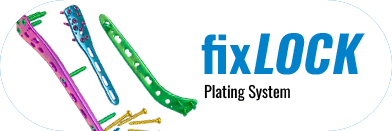
| Locking Screws (fixLOCK) | 2.4, 2.7, 3.5, 5.0 mm | Medical Grade Titanium Alloy | Metric threaded head, constant core diameter | Angular stable construct fixation in locking compression plates |
| Cannulated Screws | 3.5, 4.0, 4.5, 6.5, 7.3 mm | Ti-6Al-4V ELI / SS 316LVM | Hollow central lumen, self-tapping flutes | Percutaneous minimally invasive trauma & femoral neck fractures |
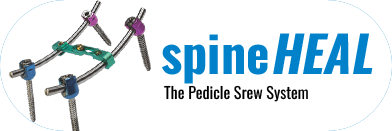
| Pedicle Screws (spineHEAL) | 4.5, 5.5, 6.5, 7.5 mm | Ti-6Al-4V ELI (ASTM F136) | Dual-thread pitch, Monoaxial & Polyaxial heads | Posterior non-cervical spinal fusion & segment stabilization |
1.1 Cortical Screws vs. Cancellous Screws: Engineering Differences
Cortical Bone Screws feature a lower ratio of outer-to-core diameter and a fine thread pitch. Because cortical bone exhibits high density and modulus of elasticity, the smaller pitch ensures maximal thread engagement across the dense cortex without over-stressing the bone matrix. Most GPC cortical screws are fully threaded and feature self-tapping flutes, eliminating the need for a separate tapping step during high-speed trauma surgery.
Cancellous Bone Screws are engineered with a larger outer-to-core diameter ratio, deeper thread flutes, and a wider pitch. This allows the screw threads to compress the soft trabecular matrix of metaphyseal bone, creating a broad purchase area that resists axial pullout forces. Available in fully threaded and partially threaded configurations, partially threaded cancellous screws are ideal for interfragmentary compression (lag screw effect).
1.2 Locking Bone Screws & Fixed-Angle Mechanics
The introduction of the fixLOCK Plating System transformed fracture management by turning plate-screw constructs into single internal fixation units. Unlike conventional non-locking screws, which rely on friction between the bone plate and periosteum, Locking Bone Screws feature precision-machined threads on their screw head. As the screw is driven into the plate hole, the head threads mate directly with the internal threads of the plate hole, forming a rigid, fixed-angle mechanical construct. This preserves periosteal blood supply, prevents primary loss of reduction, and provides exceptional pullout resistance in osteoporotic bone.
1.3 Cannulated Screws for Percutaneous Surgery
Cannulated Bone Screws incorporate a central longitudinal lumen running from the head down to the tip. This hollow passage enables surgeons to pass guide wires (K-wires) under fluoroscopic intraoperative guidance to verify precise trajectory before advancing the screw. Manufactured with ultra-tight concentricity tolerances, GPC cannulated screws maintain mechanical strength while minimizing operative tissue trauma in complex areas like the scaphoid, femoral neck, and ankle joint.
Featured Product Catalog Recommendations for Global Importers
Explore our flagship orthopedic implant systems, engineered to strict ASTM and ISO standards for dependable clinical performance:
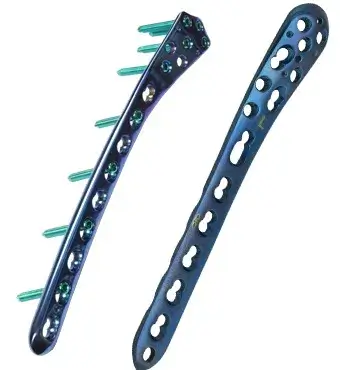
fixLOCK Locking Screw System
Anatomically contoured titanium locking screws designed for small and large fragment trauma applications, providing rigid angular stability in compromised bone.
Explore fixLOCK System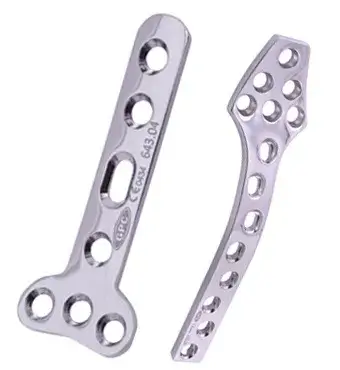
Standard Non-Locking Bone Screws
Comprehensive array of standard cortical and cancellous screws available in Stainless Steel 316L and Titanium Grade 5 for general trauma and reconstructive procedures.
Explore Non-Locking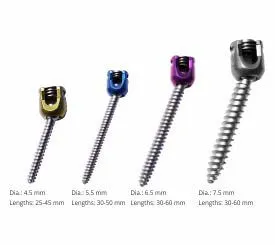
spineHEAL Pedicle Screws
Advanced polyaxial and monoaxial pedicle screws engineered for posterior spinal construct stabilization, featuring high-angle articulation and robust rod locking strength.
Explore spineHEAL System2. Advanced Metallurgy & Biomechanical Performance Testing
The long-term safety of an orthopedic bone screw depends on its raw material composition and manufacturing precision. GPC Medical USA uses medical-grade metals selected for high biocompatibility, corrosion resistance, and optimal tensile strength.
2.1 Material Comparison: Ti-6Al-4V ELI vs. Stainless Steel 316LVM
- Titanium Alloy (Ti-6Al-4V ELI - ASTM F136): Extra Low Interstitial (ELI) titanium is the gold standard for long-term implantable devices. With a modulus of elasticity closer to human cortical bone (~110 GPa vs ~200 GPa for steel), titanium bone screws reduce stress shielding at the fracture line. Furthermore, titanium exhibits zero magnetic interference, rendering implants fully MRI-compatible.
- Stainless Steel (AISI 316LVM - ASTM F138): Vacuum Arc Remelted (VAR) stainless steel offers outstanding fatigue strength, high yield strength, and superior resistance to stripping during high-torque insertion. It remains a cost-effective solution for temporary internal trauma fixation.
2.2 Quality Assurance & Biomechanical Rigor
Every lot of GPC Medical USA bone screws undergoes exhaustive mechanical testing in accordance with ASTM F543 (Standard Specification and Test Methods for Metallic Medical Bone Screws):
- Torsional Yield Strength & Maximum Torque to Failure: Evaluates the maximum torque a screw can withstand before suffering plastic deformation or shank breakage during power-driven insertion.
- Axial Pullout Force Testing: Measures the force required to pull the screw out of standardized synthetic bone blocks (polyurethane foam), validating thread engagement geometry.
- Self-Tapping Performance: Determines insertion torque curves to ensure smooth cutting flutes that prevent micro-fracturing of the surrounding cortical bone bed.
3. Future Procurement & Technological Trends in Orthopedic Bone Screws (2025–2030)
As healthcare systems prioritize cost-efficiency, reduced operating room times, and lower infection risks, procurement teams must stay ahead of emerging technological trends shaping orthopedic implant manufacturing:
3.1 Smart Surface Coatings & Bioactive Modifications
Future bone screw designs are moving beyond simple anodized surfaces. Advanced electro-chemical treatments, such as Type II Titanium Anodization, increase fatigue life by reducing surface micro-fissures. Research into hydroxyapatite (HA) plasma spraying and silver nanoparticle anti-microbial coatings aims to accelerate osseointegration while reducing post-operative surgical site infections (SSI).
3.2 Additive Manufacturing & Porous Thread Architectures
3D printing (Direct Metal Laser Sintering - DMLS) allows manufacturers to create bone screws with solid load-bearing cores surrounded by porous surface threads. These biomimetic structures encourage direct bone ingrowth (osseoconduction), creating a permanent biological lock between the bone bed and the implant.
3.3 Supply Chain Resiliency & Regional Hub Fulfillment
Global medical device procurement has shifted away from single-source distant supply chains toward established regional hubs. Operating from Dallas, Texas, GPC Medical USA bridges high-tech manufacturing with rapid North American logistics, allowing international procurement managers to reduce lead times, mitigate stock-outs, and lower holding inventory costs.
4. Why Global Procurement Officers & Distributors Partner with GPC Medical USA
With over 9 years of medical device engineering expertise, GPC Medical USA, Inc. has established itself as a premier partner for healthcare organizations in over 30 countries. Our factory-direct procurement model delivers clear structural benefits for high-volume purchasing:
- US-Based Operations & Global Compliance: Headquartered at 6060 N Central Expressway, Dallas, TX, we manage quality control, customer support, and worldwide logistics under strict regulatory standards.
- 200+ Trauma & Spine SKUs: From micro 1.5mm hand screws up to heavy-duty 7.5mm polyaxial reduction pedicle screws, our comprehensive catalog meets all hospital surgical requirements.
- Complete Traceability & Certification: Every shipped lot includes full raw material mill certs, dimensional inspection reports, and ISO compliance documentation.
- Flexible OEM & Private Label Support: We assist international distributors with custom sterile packaging, laser etching, lot numbering, and surgical tray customization.
Direct Factory Advantage
By eliminating middle-man broker margins, GPC Medical USA allows distributors and hospital buying groups to achieve significantly better pricing while retaining total quality control and surgeon-approved precision engineering.
5. Frequently Asked Procurement & Technical Questions (FAQ)
Below are detailed responses to the questions most frequently raised by medical device buyers, regulatory managers, and surgical procurement specialists when evaluating orthopedic bone screws:
Self-tapping screws feature sharp cutting flutes integrated into the leading threads of the screw tip. They require a pre-drilled pilot hole (using a precise drill bit size, e.g., a 2.5mm drill bit for a 3.5mm cortical screw), but cut their own female threads into the bone as they advance. This eliminates the separate tapping step, saving operating room time.
Self-drilling screws feature a drill-point tip similar to a drill bit, allowing them to drill their own hole and tap their own threads without any prior drilling. Self-drilling screws are primarily used in thin cranial/maxillofacial plates or specific locking plate constructs, whereas self-tapping screws remain the standard for long bone trauma to avoid thermal necrosis caused by drilling friction.
The pilot drill bit diameter must precisely match the core (inner) diameter of the bone screw thread. If the drill bit is too small, insertion torque increases drastically, risking screw shear or bone fracturing. If the drill bit is too large, the screw threads will not purchase sufficient bone tissue, leading to premature pullout. For example, a standard 3.5mm cortical screw with a 2.4mm core diameter requires a 2.5mm pilot drill bit, whereas a 4.5mm cortical screw with a 3.0mm core requires a 3.2mm drill bit.
GPC Medical USA products are manufactured under strict ISO 13485 Quality Management Systems for Medical Devices. Our raw materials comply with ASTM F136 (Ti-6Al-4V ELI Titanium) and ASTM F138 (Implant Grade Stainless Steel 316LVM). All implants carry full material heat-lot traceability, pass passivations per ASTM F86 standards, and meet international clinical quality criteria for medical sales.
No. Mixing dissimilar metals must be strictly avoided in internal fixation surgery. Coupling a titanium screw with a stainless steel plate creates a galvanic cell in the presence of saline-containing body fluids. This galvanic corrosion leads to accelerated metal degradation, release of metallic ions into surrounding tissue, localized inflammation, and mechanical failure of the construct. Always ensure that screws, plates, and washers are made from identical metal compositions.
Modern orthopedic bone screws increasingly utilize Star / Torx drive recesses (e.g., T15, T25) over traditional hexagonal drives. Star drive recesses distribute torque across multiple contact points, drastically reducing axial driver pressure requirements and eliminating "cam-out" (stripping of the screw head). This is particularly critical when inserting high-torque self-tapping locking screws or removing cold-welded hardware during secondary surgeries.
GPC Medical USA maintains inventory of fast-moving cortical, cancellous, and locking bone screw SKUs at our Dallas, Texas warehousing hub, enabling dispatch within 3 to 7 business days for standard distributor orders. For custom OEM manufacturing, special color anodization, or private label packaging requests, production lead times typically range between 4 to 6 weeks. Contact our sales team for exact MOQ terms tailored to your region.
Partner with a Trusted Orthopedic Implants Manufacturer
Gain competitive market advantages with factory-direct pricing, surgeon-approved biomechanical reliability, and fast global shipping from Dallas, TX.